
Limited Master Guide
Everything the LXO testing group learned about drafting Ashes of the Empire — fundamentals, archetypes, tier lists, and leader clusters — in one place.
Competitive Drafting Fundamentals
Competitive drafting begins before you sit down. Knowing the strongest leaders, archetypes, color pairings, and individual cards lets you recognize opportunities and build the strongest deck available to you.
1 · Drafting Leaders
Before finalizing your first pick, look down the line to your left and consider which leaders may realistically be passed to you. The most important players are actually to your right — they pass to you twice, while players to your left pass only once.
A strong general rule: finish with at least one good Heroism leader and one good Villainy leader for flexibility. Intentionally locking into one alignment sends a clear signal to your neighbors — powerful, but it sacrifices flexibility and should only be used when the leaders or archetypes justify it.
2 · Archetypes & Card Clusters
Before sitting down, know the strongest archetypes and pairings, the best leaders for them, the highest-value cards in each color, and the cards that work especially well together. We call these groups clusters.
Unlike sealed, draft is about maximizing synergy from a shared card pool. When someone passes you a premium card for an archetype, alarm bells should go off — that color or archetype may be open.
3 · Read Local & Table Signals
Local signals come from the players directly passing to you — repeated strong cards in one color suggest they aren't drafting it. Table signals accumulate: a high density of quality cards from one color across multiple packs means it may be open or underdrafted.
Reading these correctly stops two nearby players from fighting over the same cards — which usually leaves both with weaker decks.
4 · Stay Open — But Take the Best Cards
Early on, stay flexible enough to move into an open lane while taking the most powerful cards available. A premium card may push you into an archetype earlier than expected — that's okay. The goal isn't to stay flexible forever; it's to build the strongest deck the table gives you.
Curve target: roughly 7 two-drops and 6 three-drops. That's only 2–3 per pack — but remember pack 3 is when curve-fillers become the highest priority.
"When people pass you the best cards — take them."
Eduardo Sajgalik · Magic Pro TourHow to Draft Ashes of the Empire
Don't bring a knife to a blaster fight — unless you're really quick on the draw.
The Shape of the Set
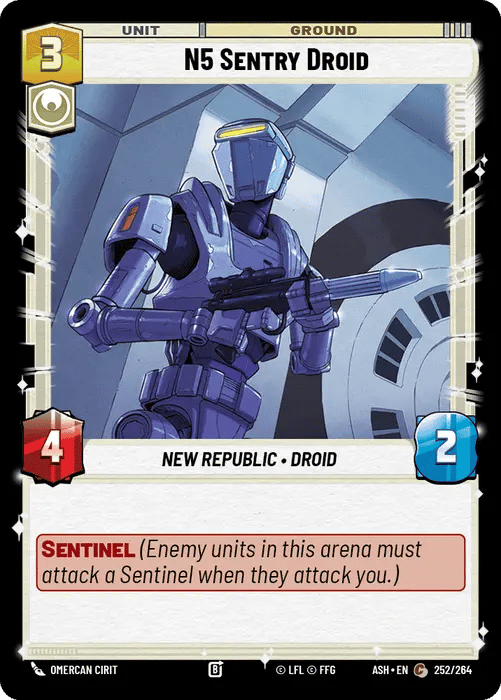
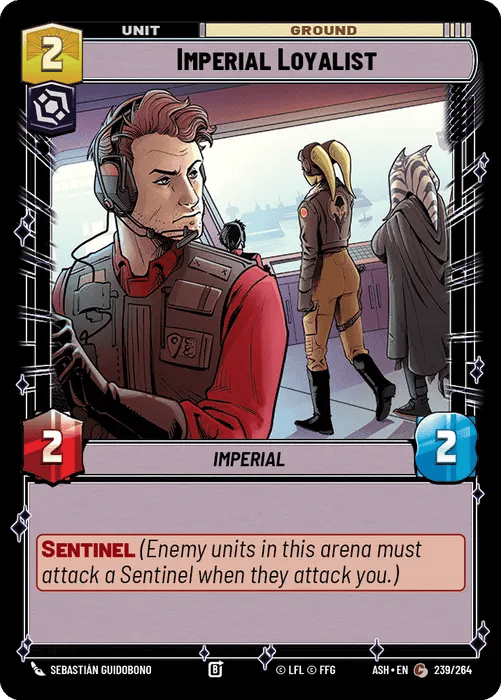
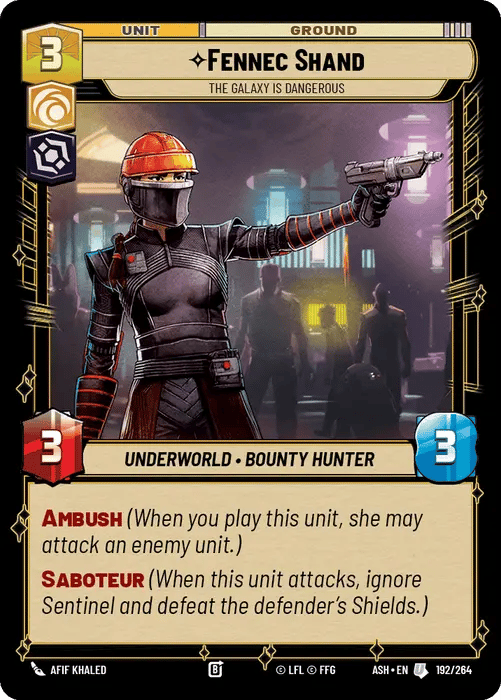
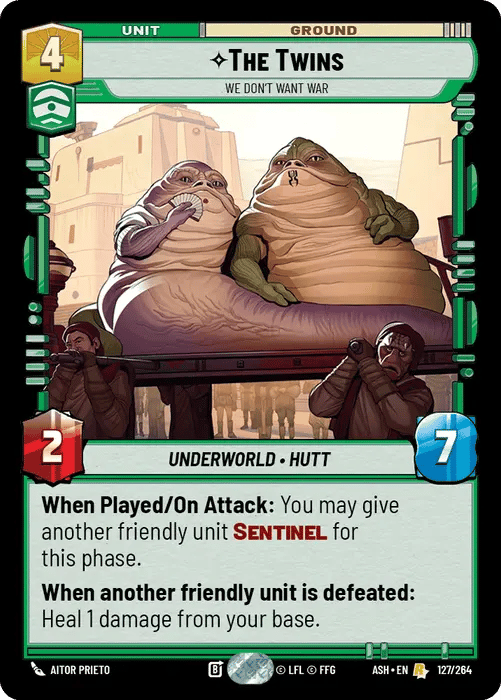
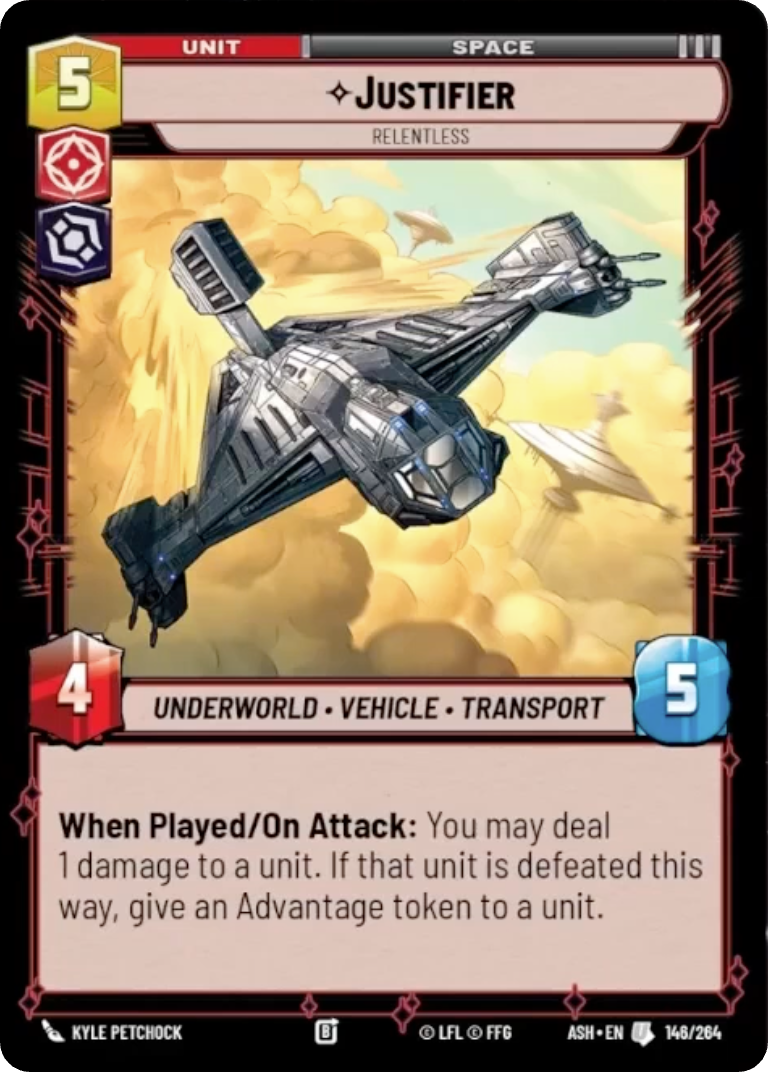
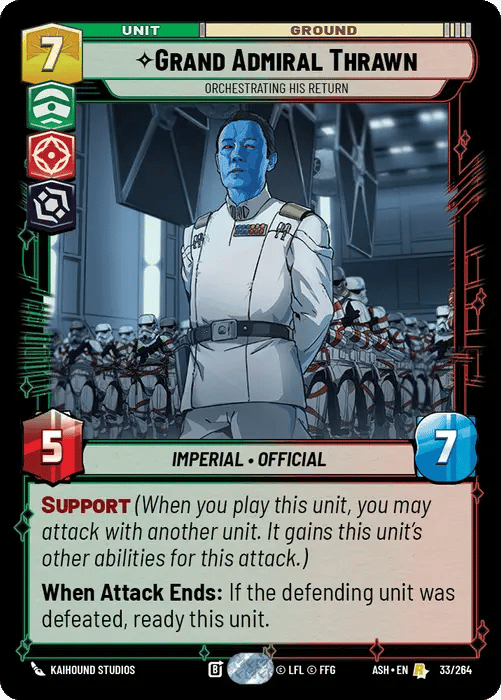
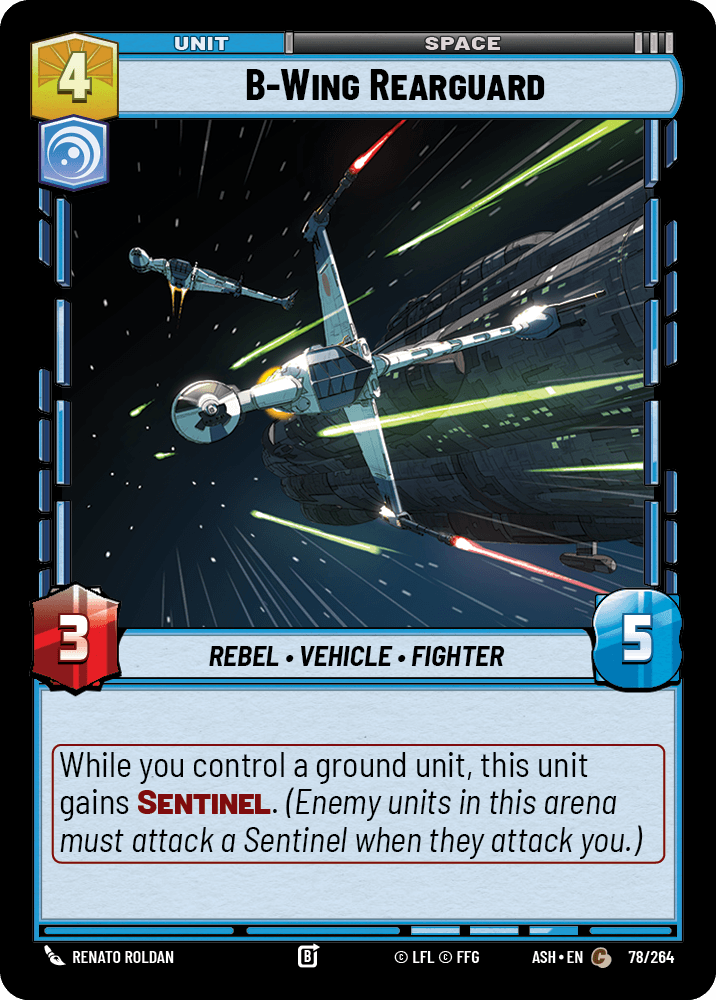
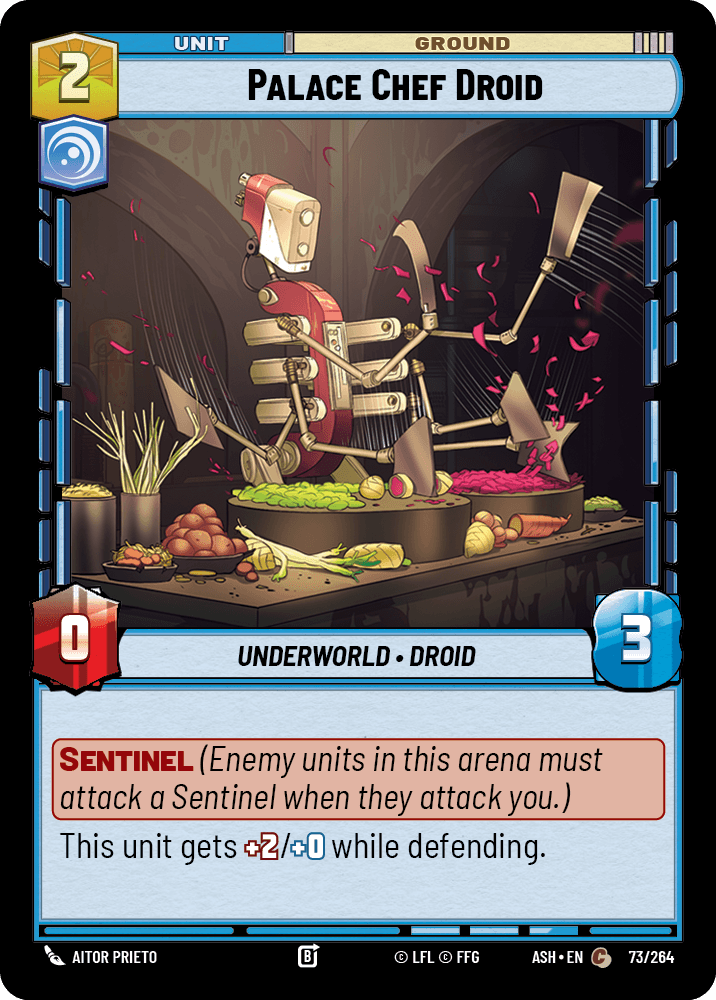
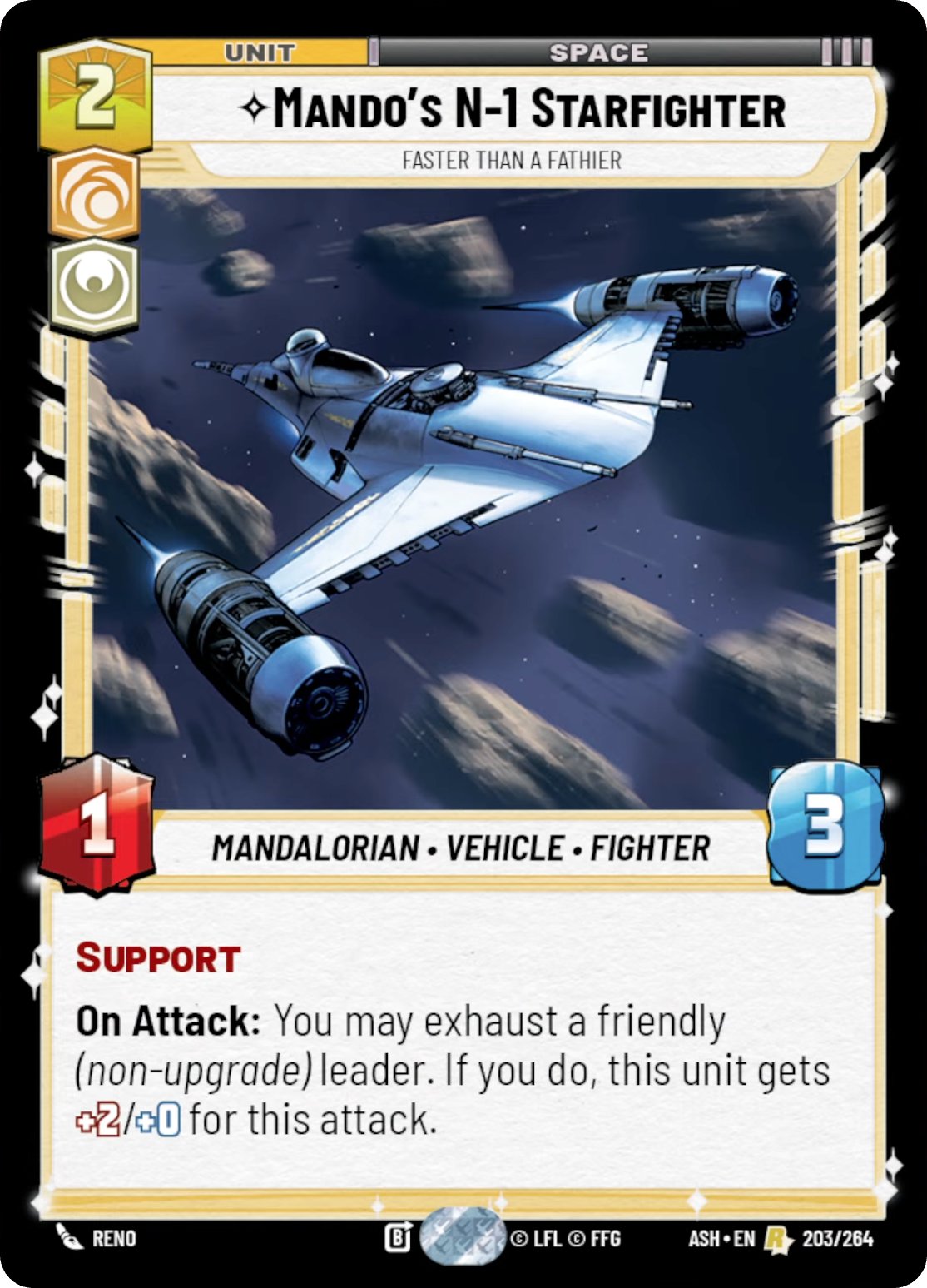
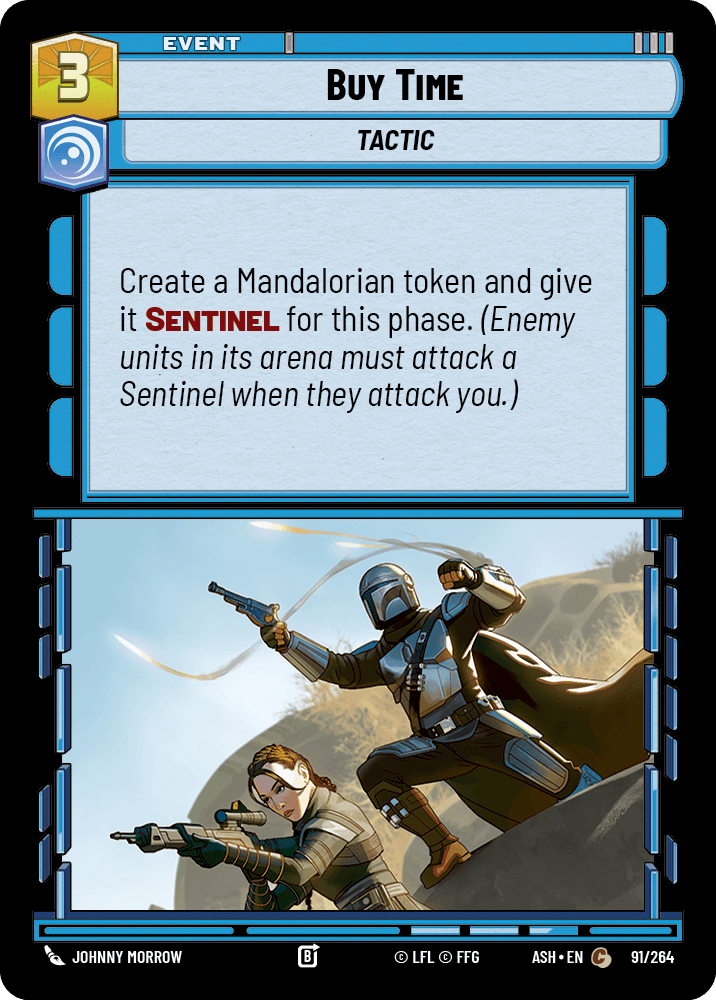
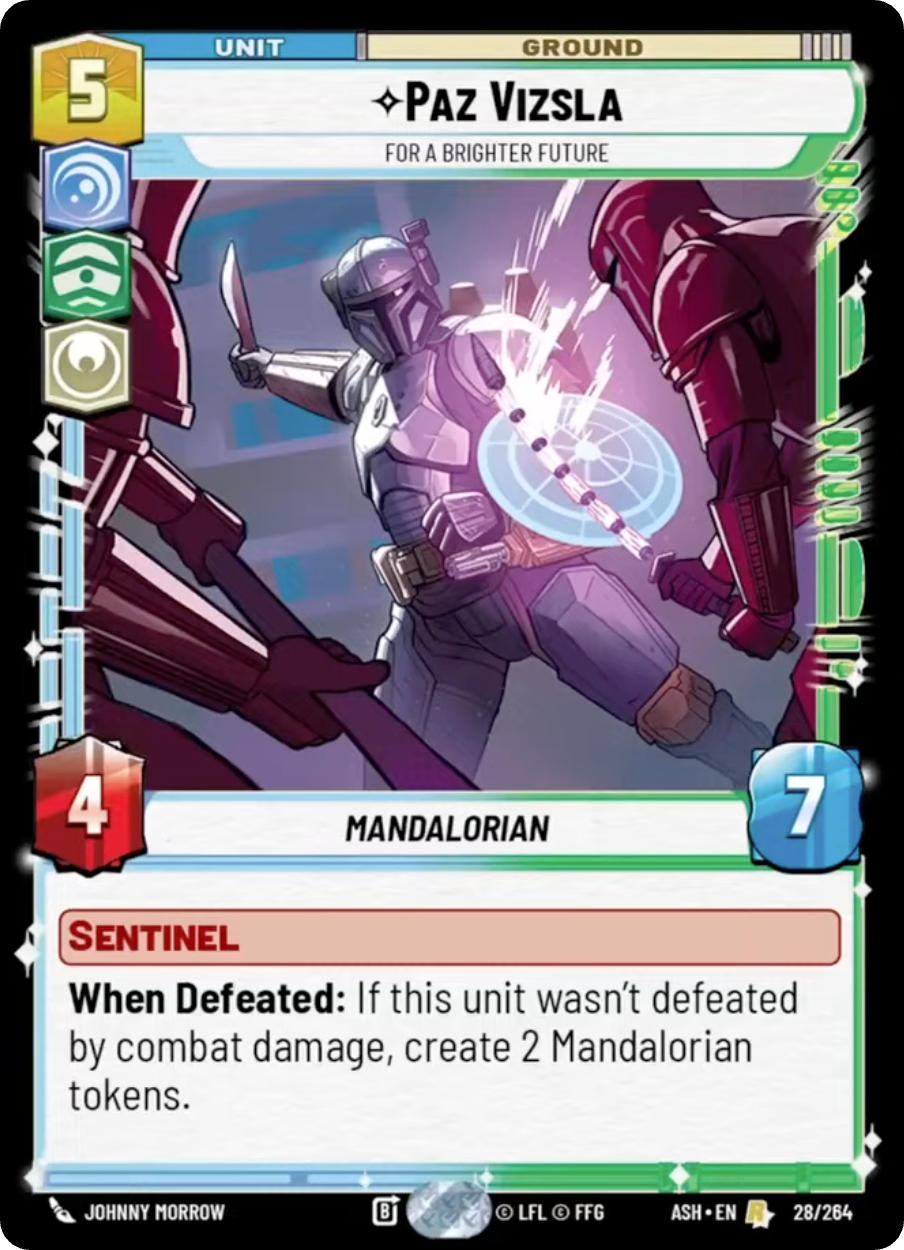
The set has a wide variety of powerful Sentinels, largely on the ground. The primary new mechanic, Support, action-cheats while developing units — action economy demands careful consideration, and the mechanic pushes decks toward aggression.
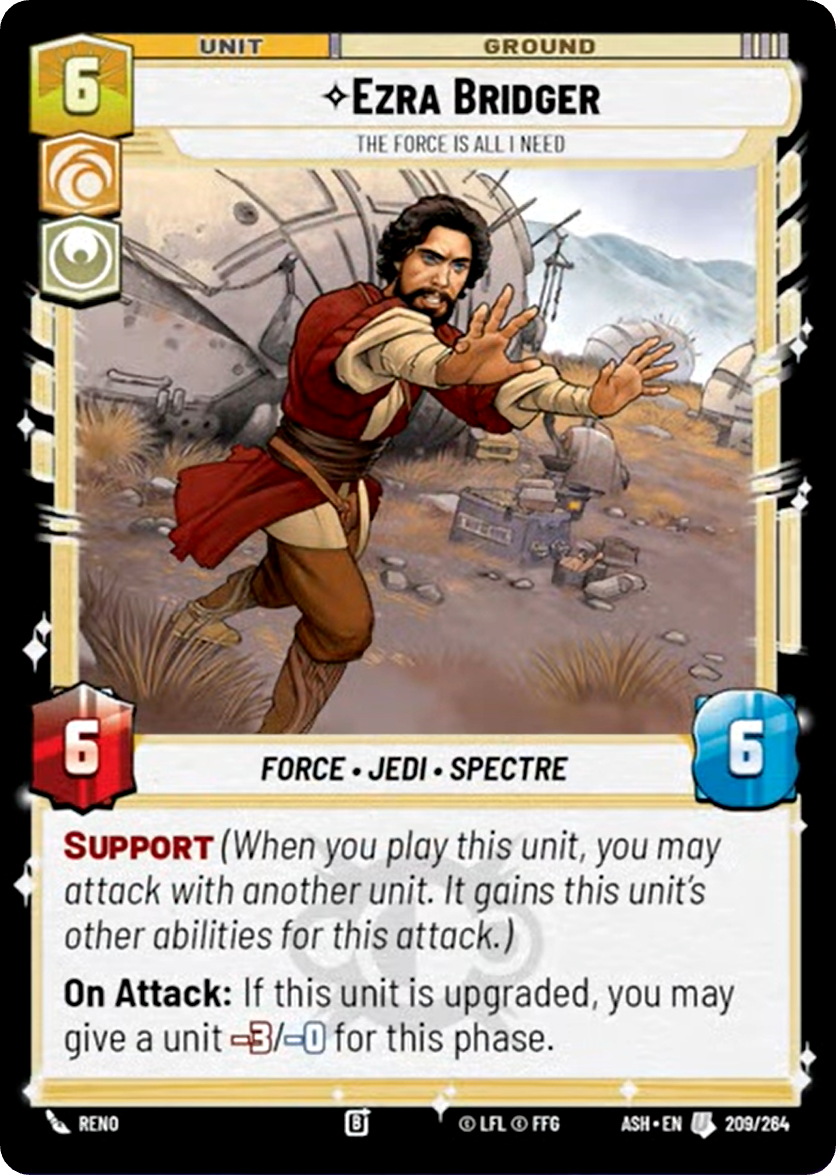
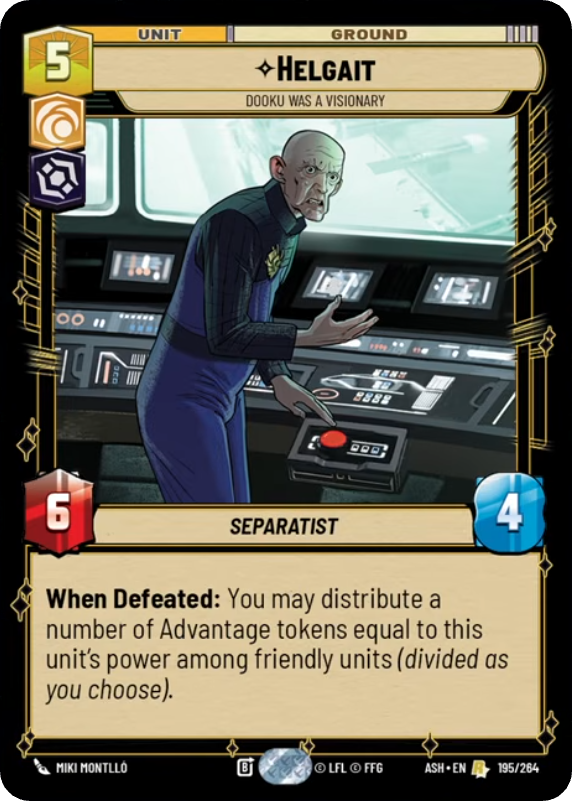
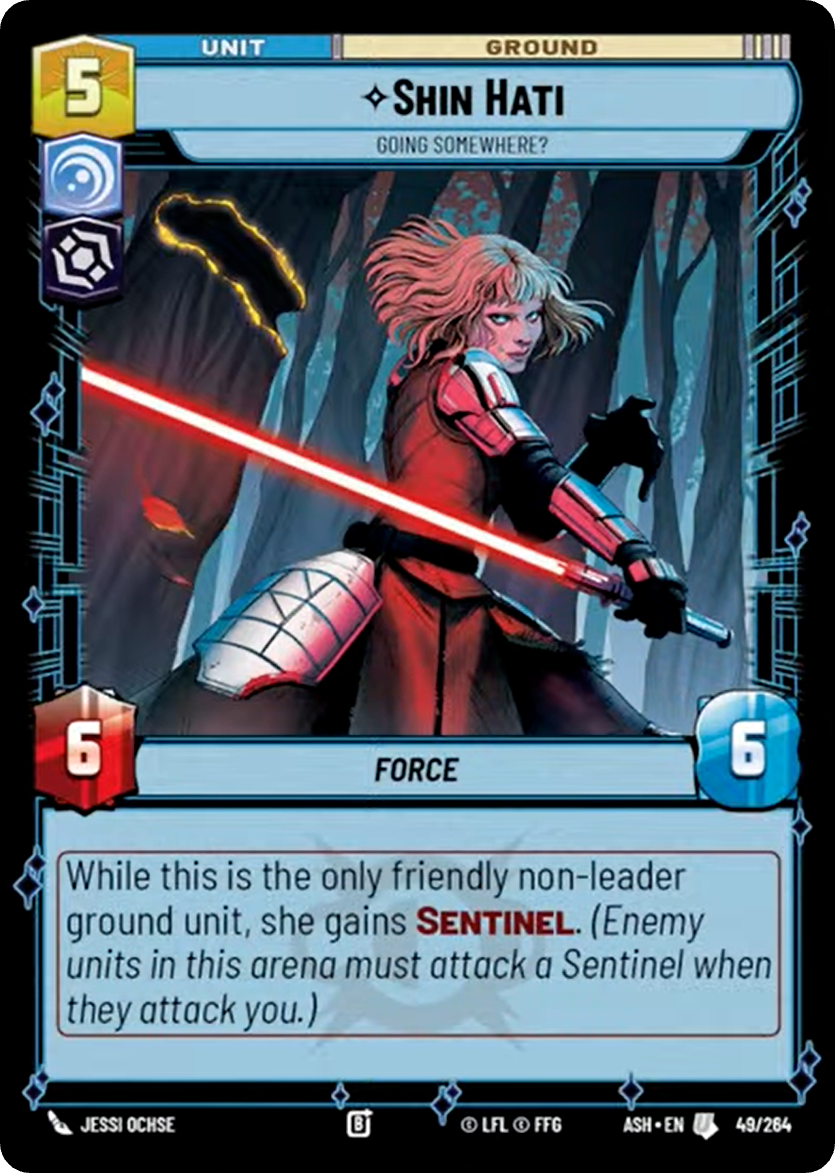
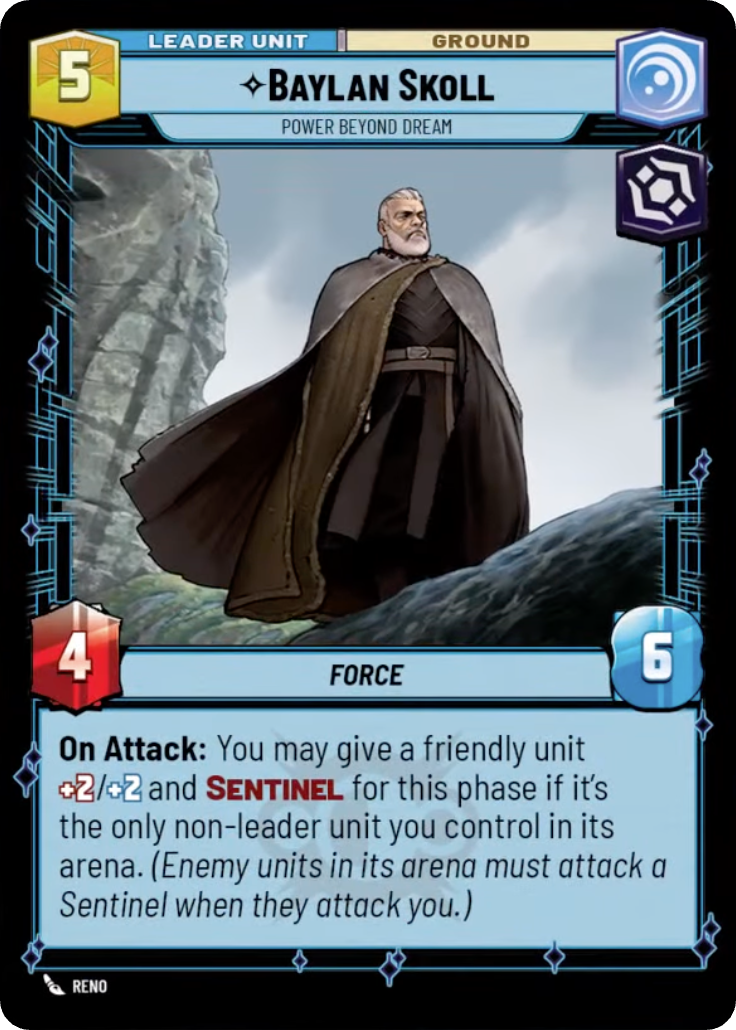
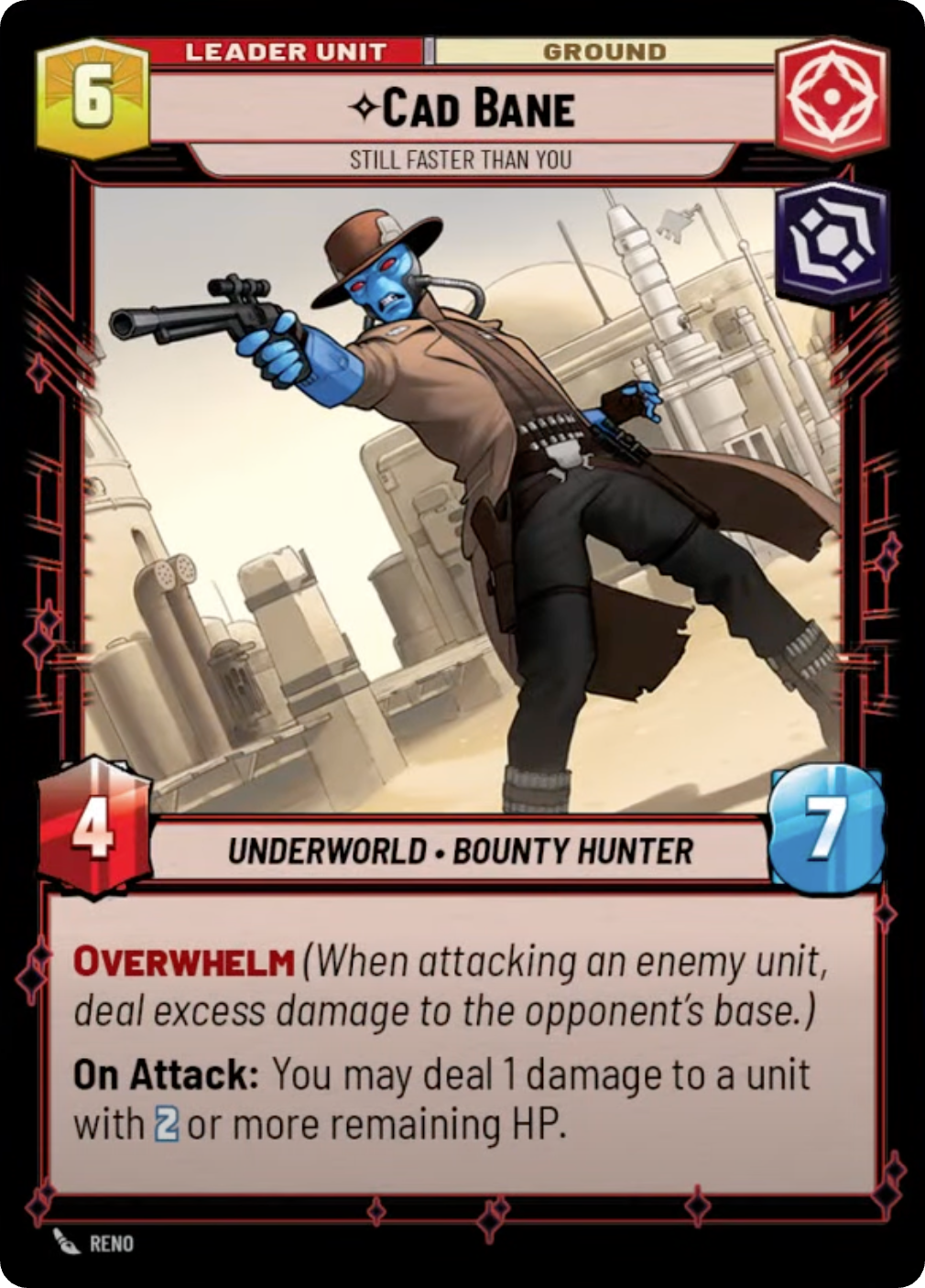
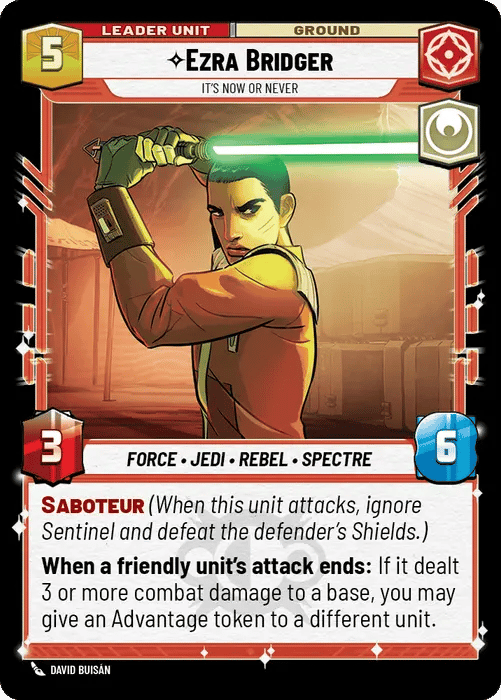
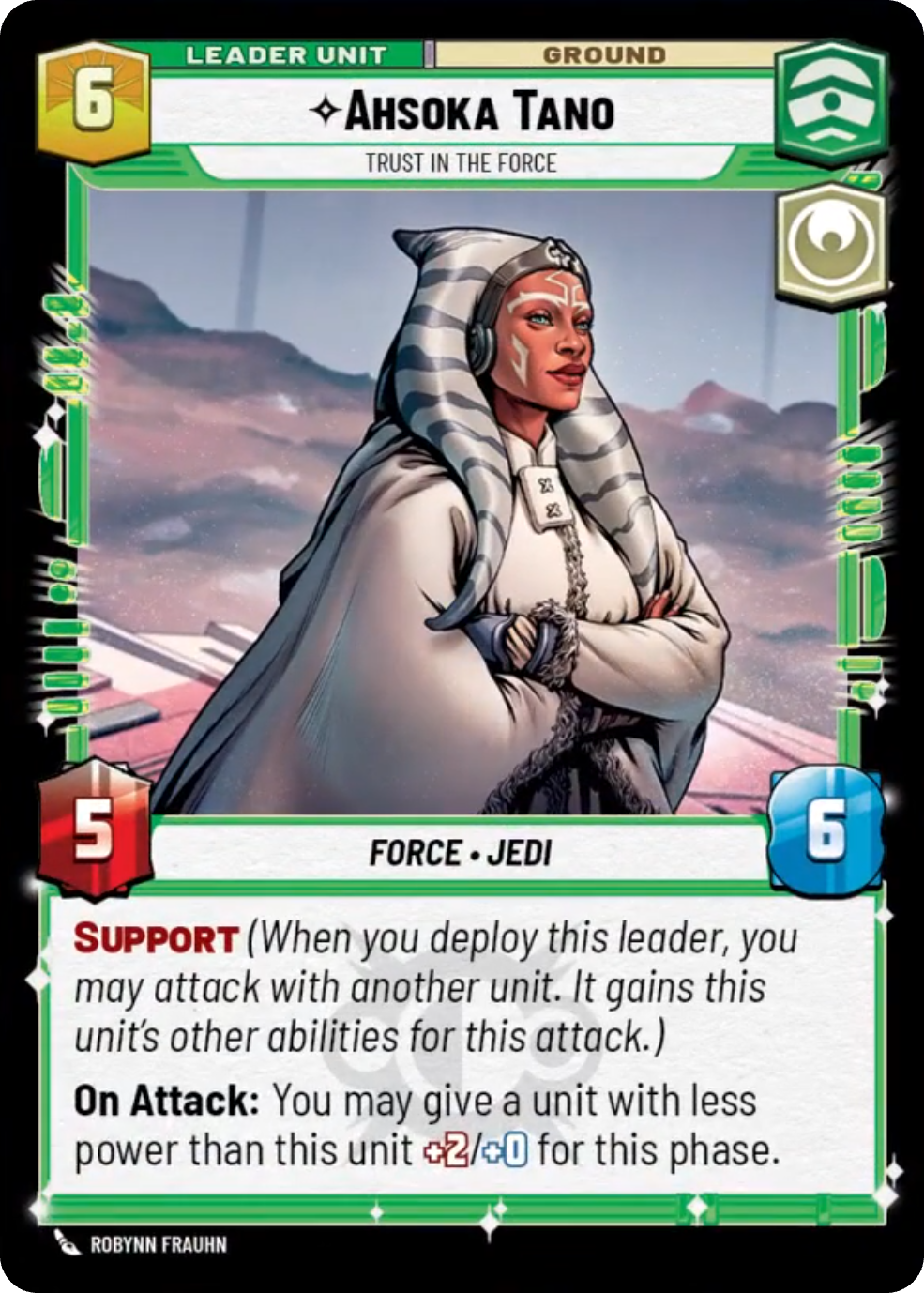
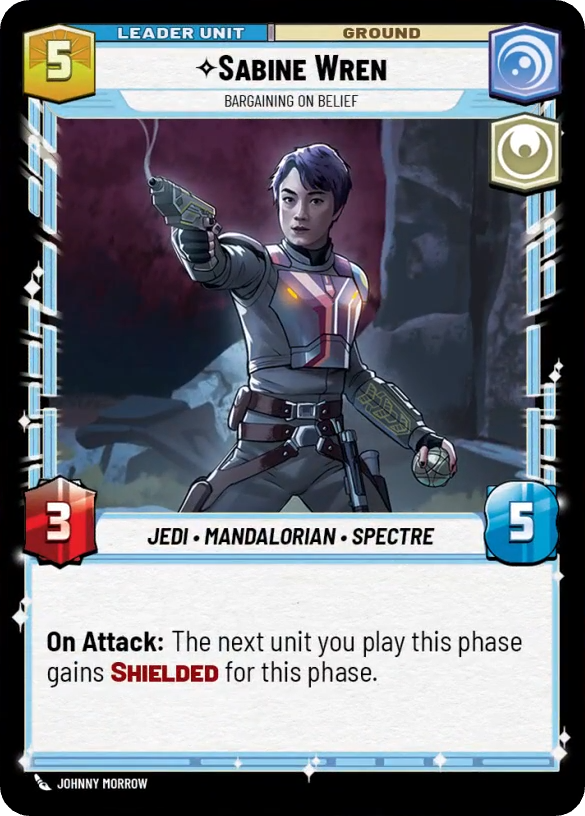
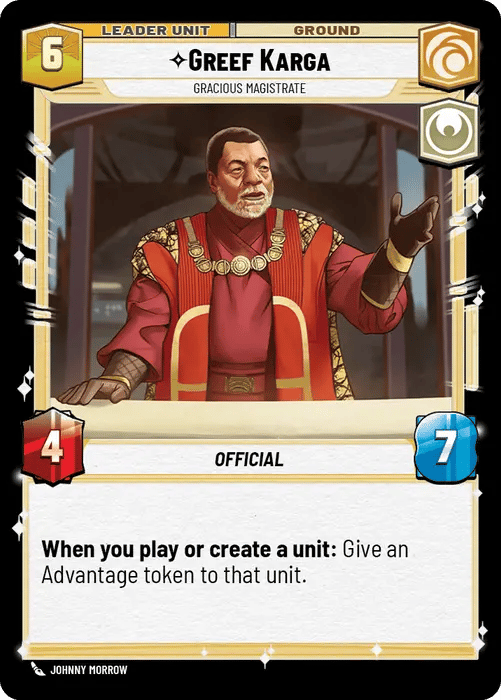
Leaders further incentivize aggressive strategies: temporary buffs (Baylan Skoll, Ahsoka Tano), Advantage tokens (Greef Karga, Ezra Bridger), direct damage (Cad Bane), Shield tokens (Sabine Wren), and exhaust effects (Shin Hati).
Why Space Defines the Draft
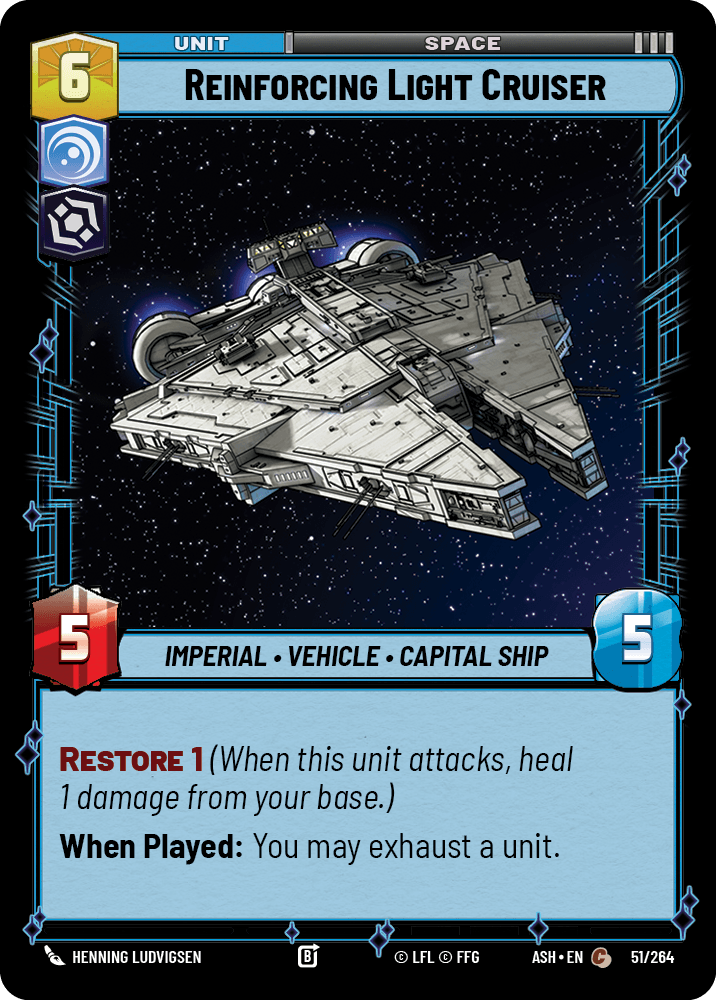
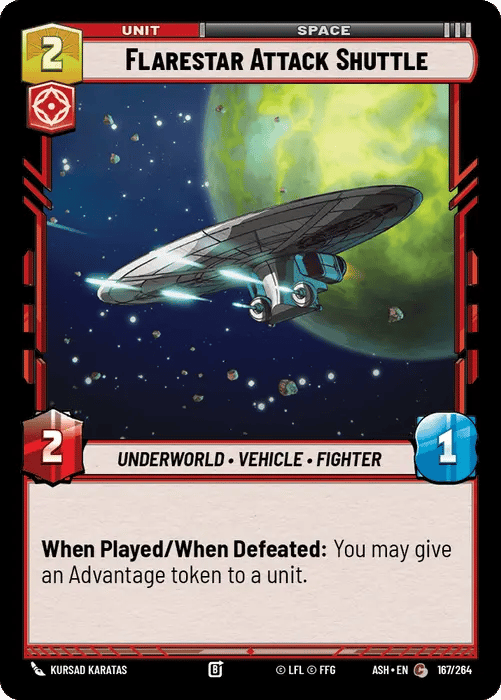
The ground arena is vulnerable to a wide range of powerful interaction from leaders, units, and event removal. By contrast, removal that crosses arenas is extremely limited — it is difficult to interact with space units.
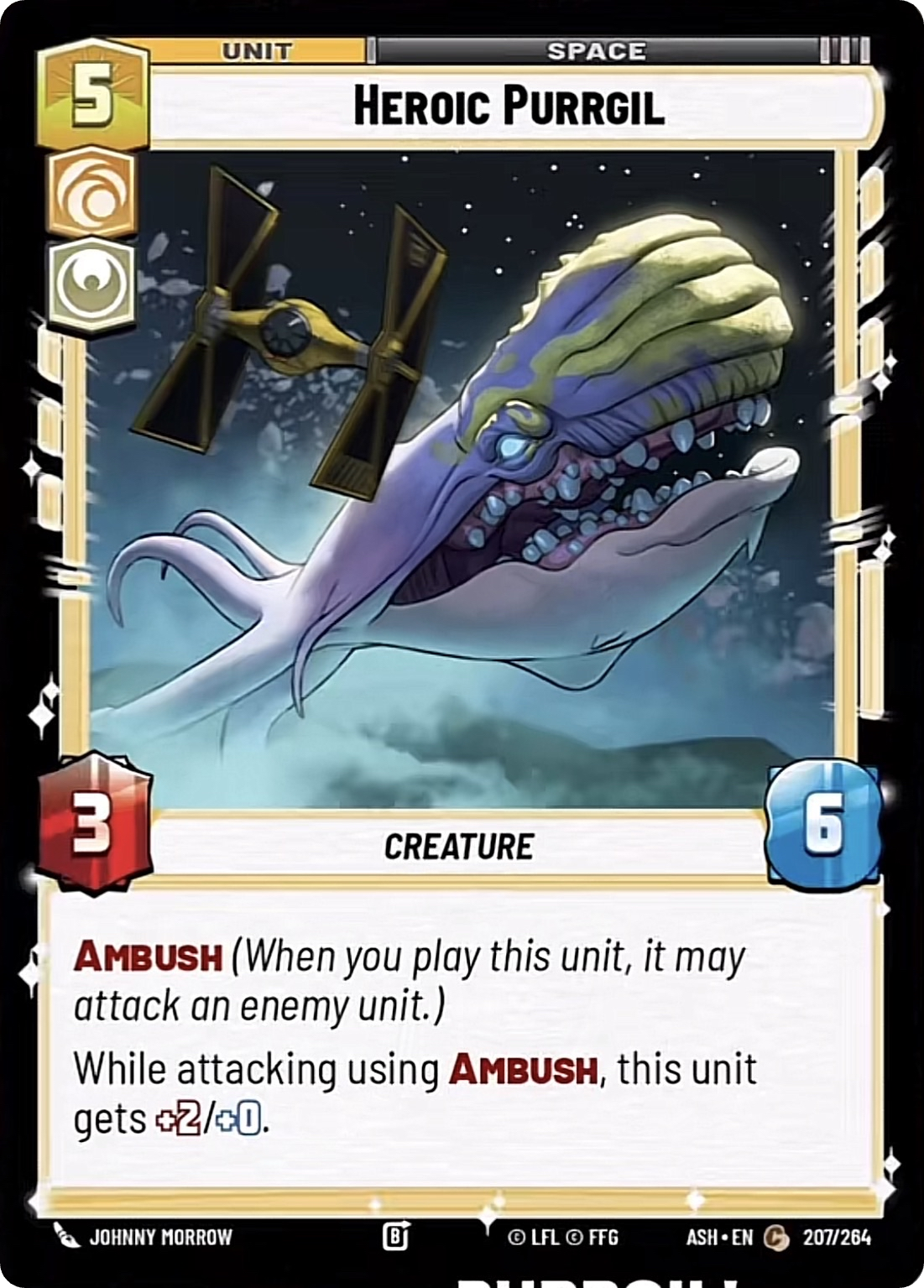
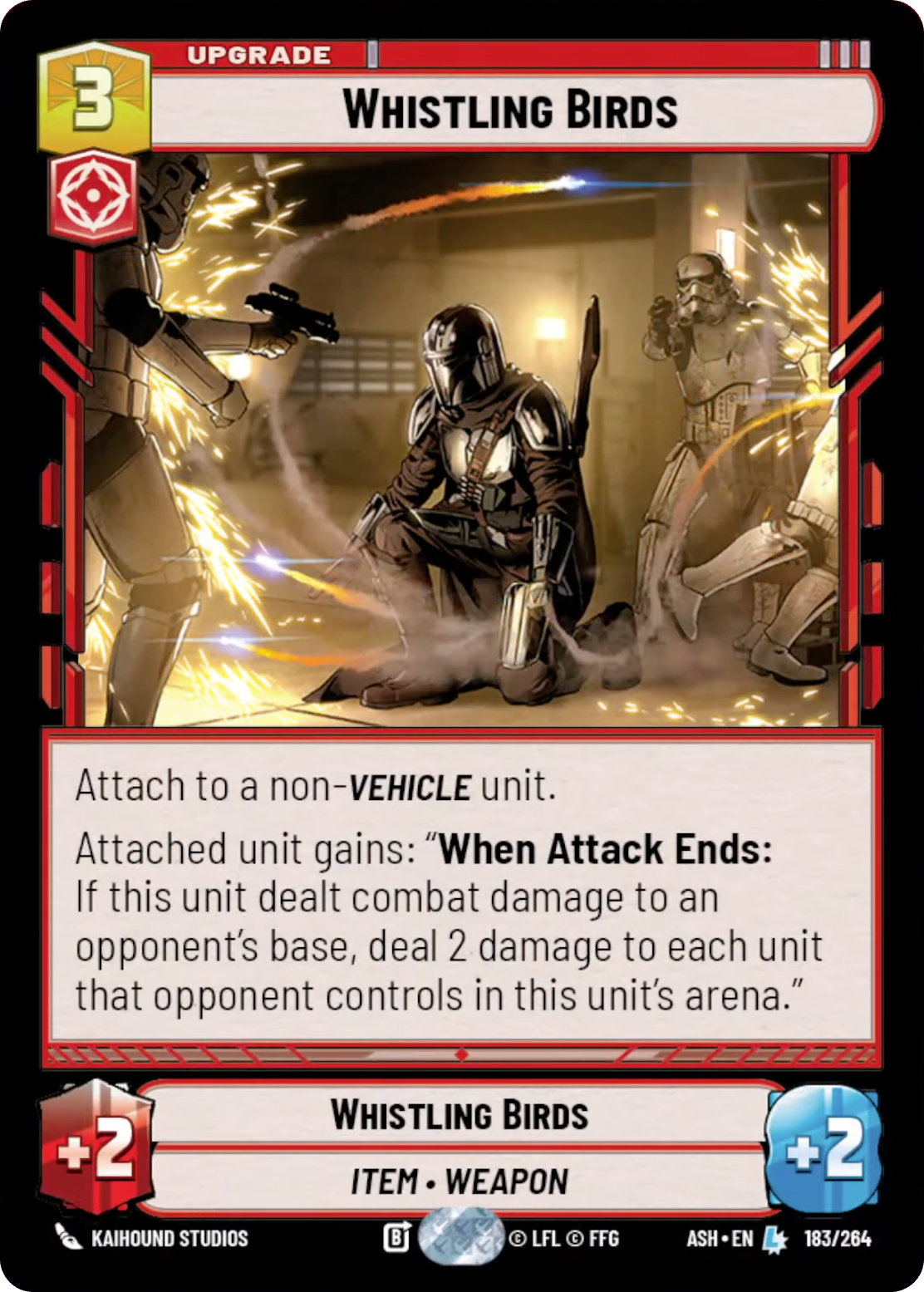
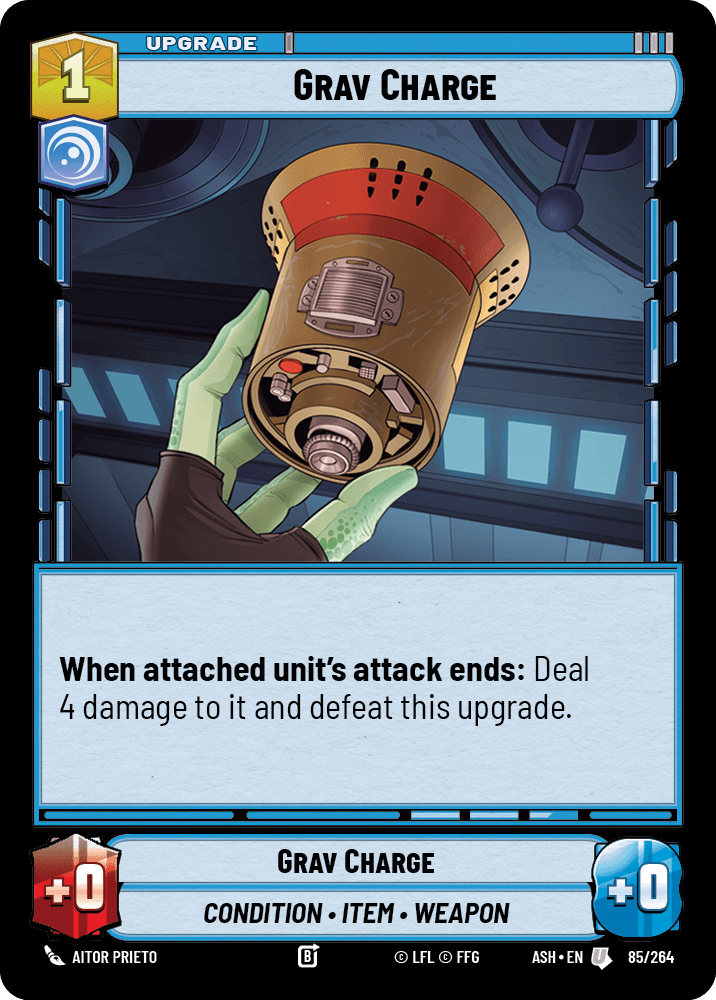
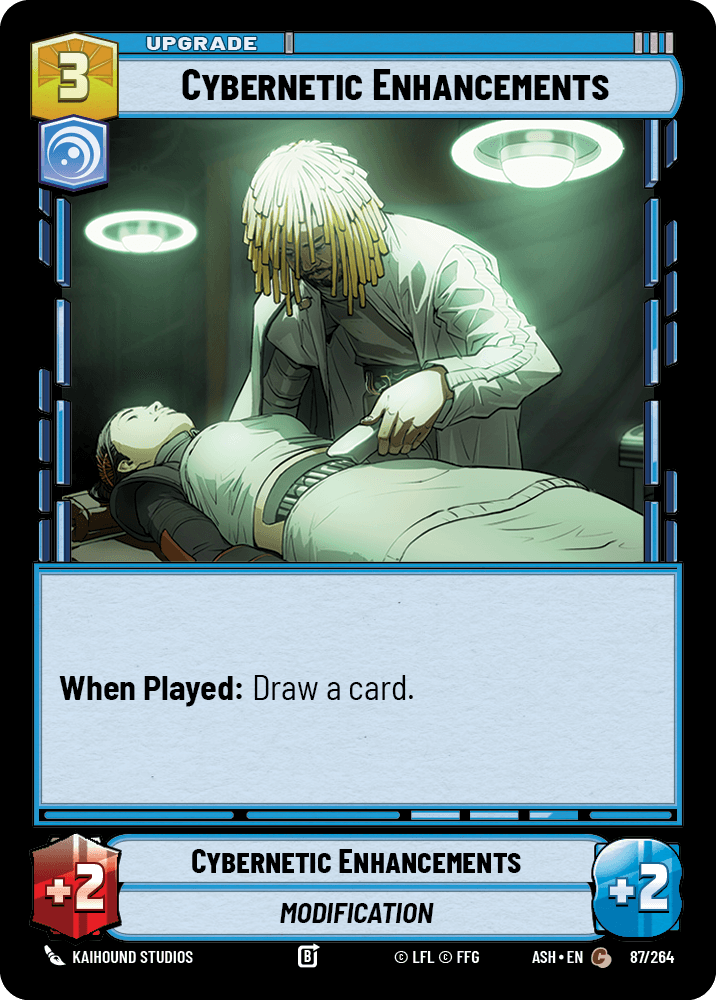
Upgrades are significantly weaker this set and skew toward high rarities, making voltron builds less common. The result: space is the defining feature of the draft. Either draft space yourself, or draft powerful answers to space-heavy strategies.
The set's leaders and mechanics reward pressure. Passive decks fall behind.
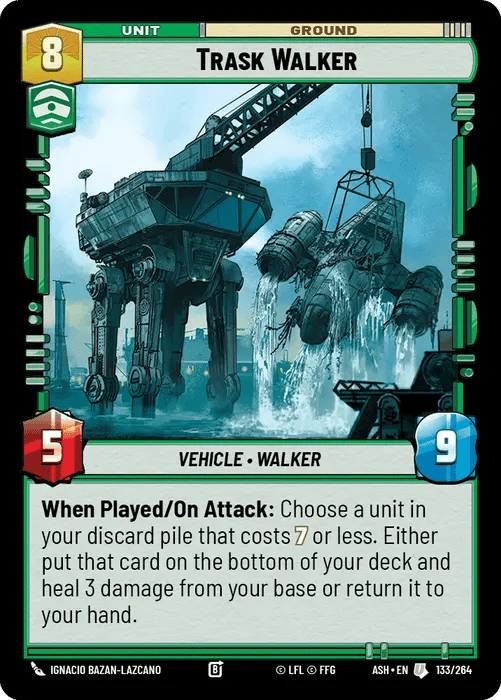
Powerful ground sentinels clog boards and punish racing.
Hard to interact with. Draft it — or draft the answers to it.
Aspect-Pair Archetypes
Twelve archetypes, identified by aspect pairing rather than leader. Filter by aspect or alignment, and tap any archetype for its identity, best turn-one plays, outperformers, and first picks.


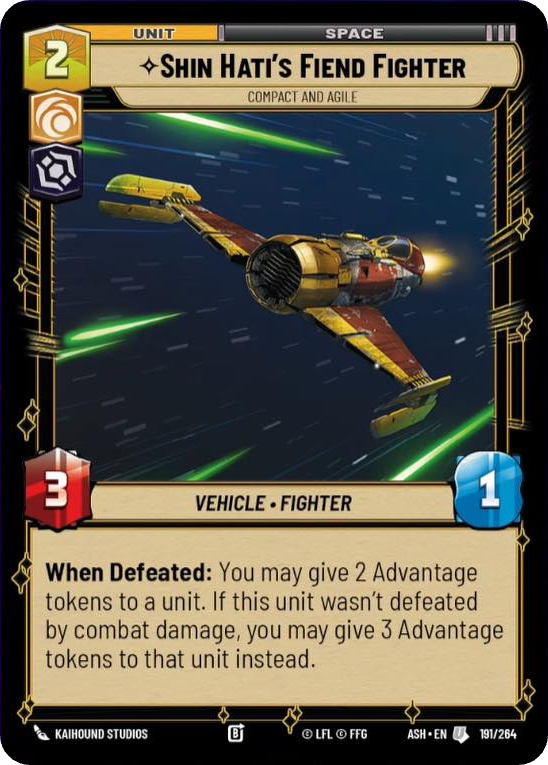
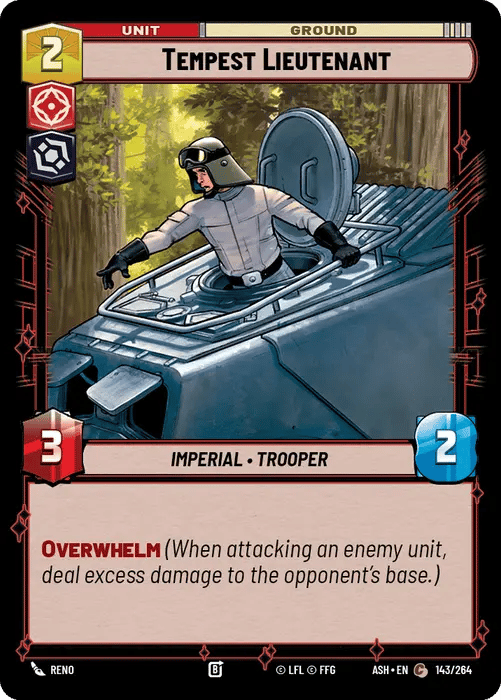
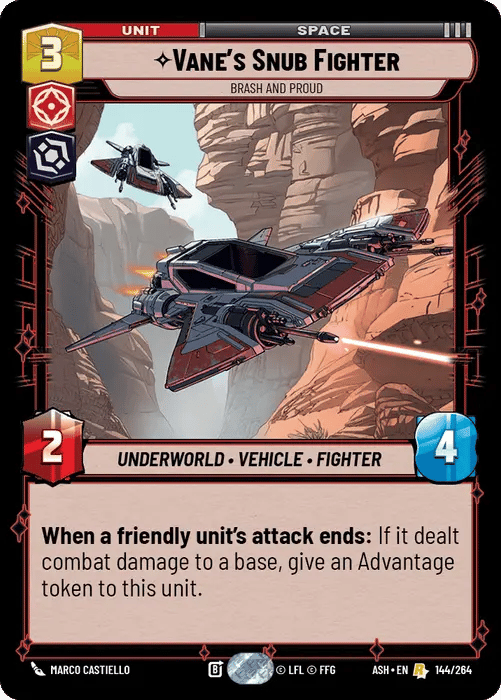
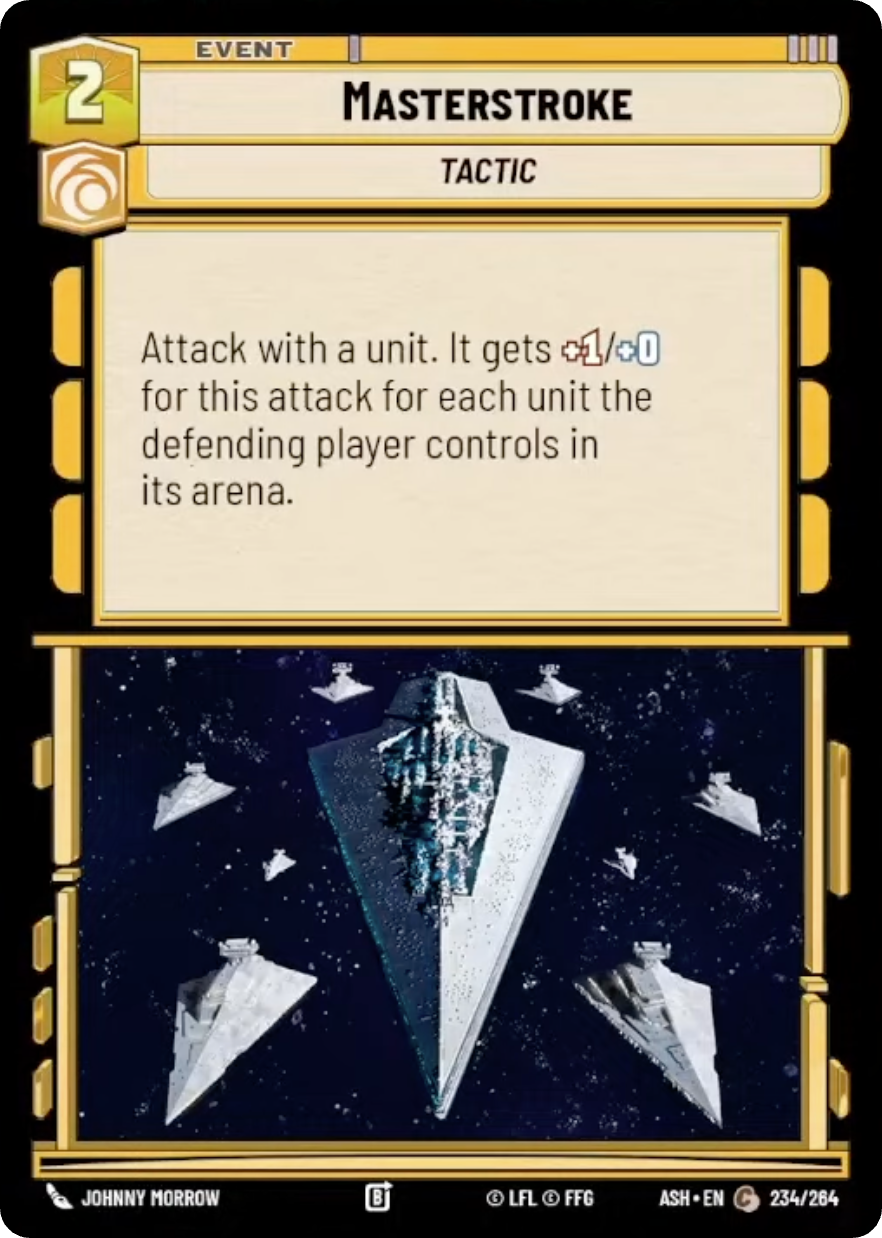
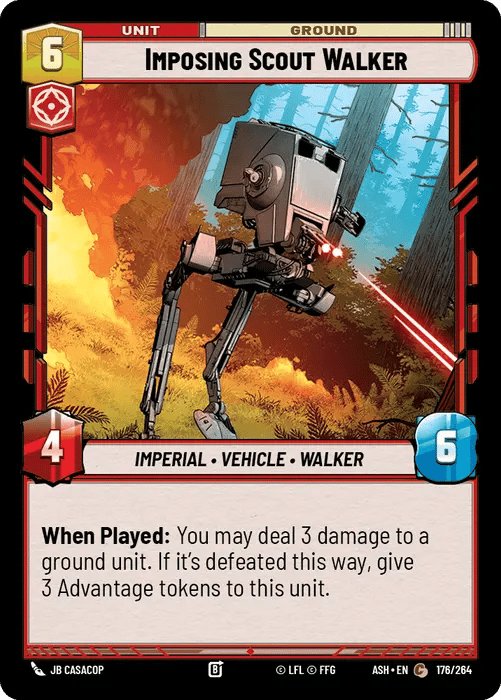
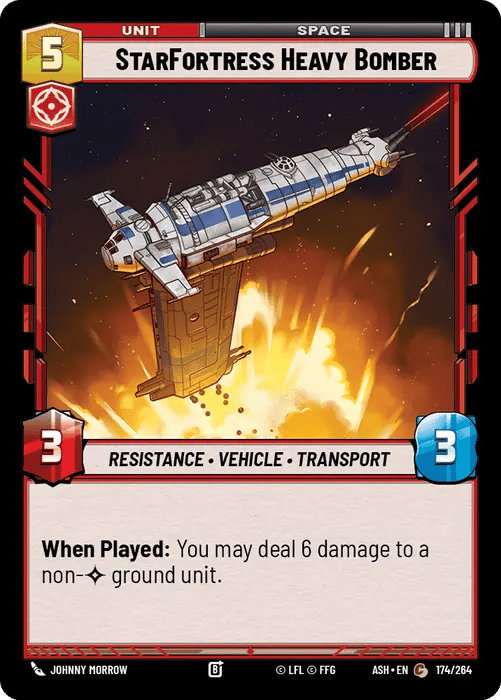
 RYVAggro — Space
Ground units are usually fragile or understatted. Dump aggressive space units and race.
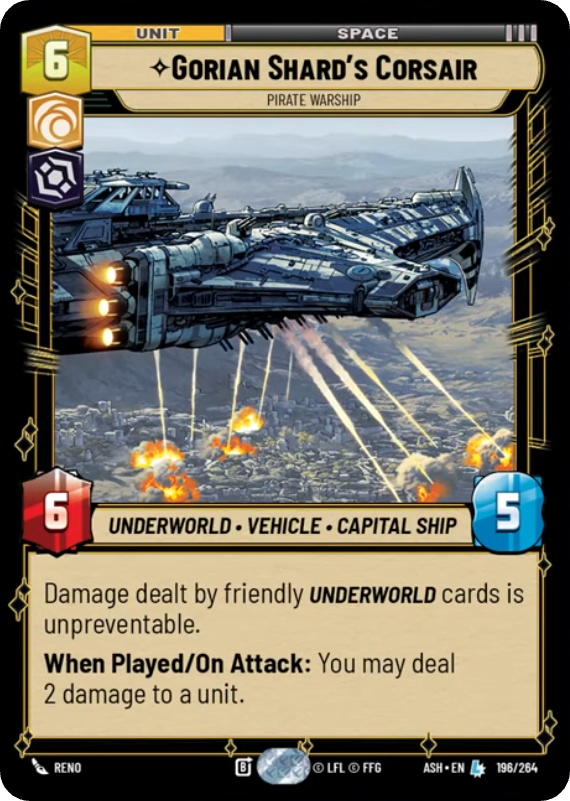
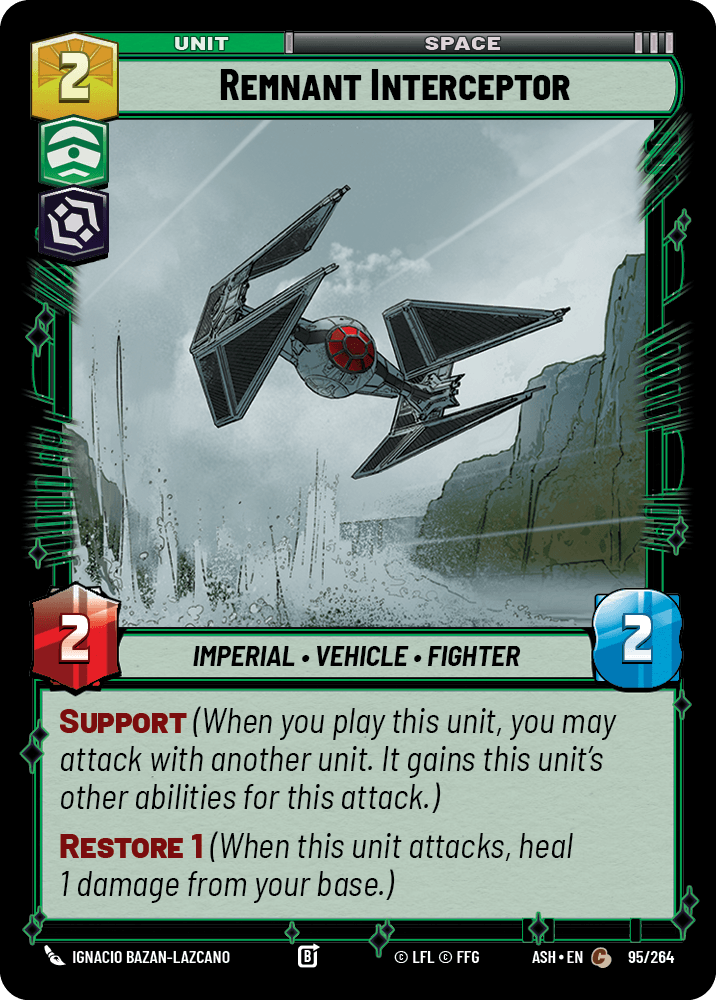
 GYVMidrange — Space
Ground units do things (Sentinel, Ambush) giving tempo, but the power is in space.
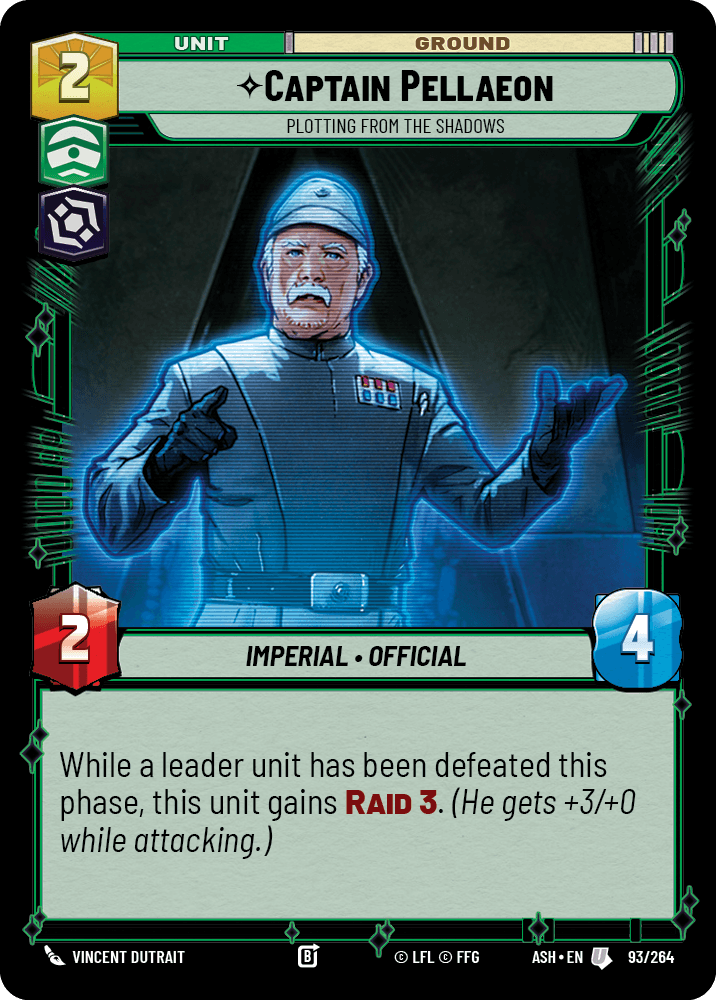
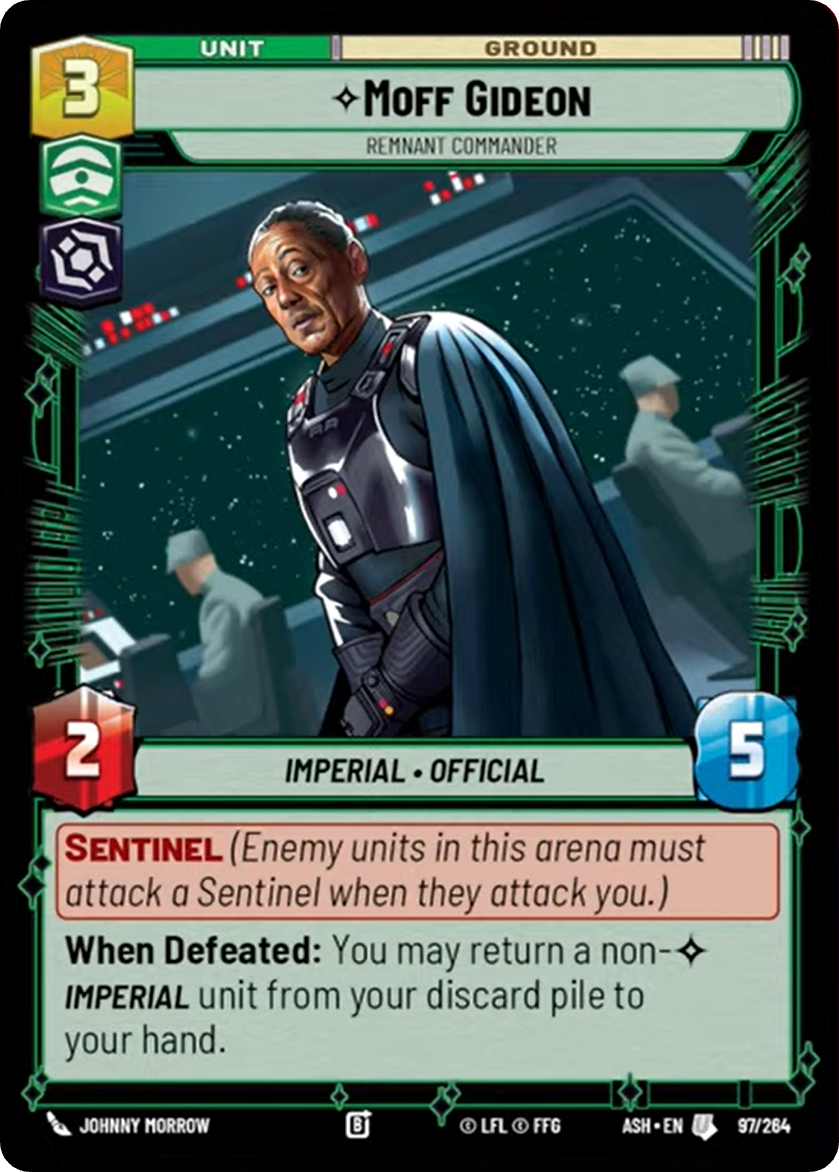
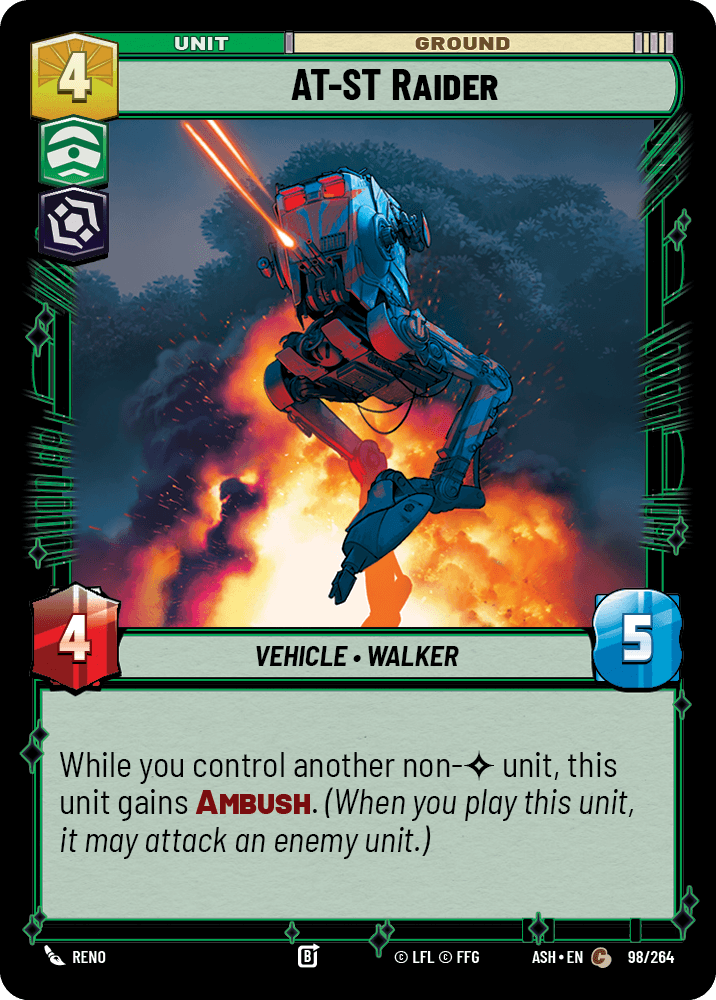
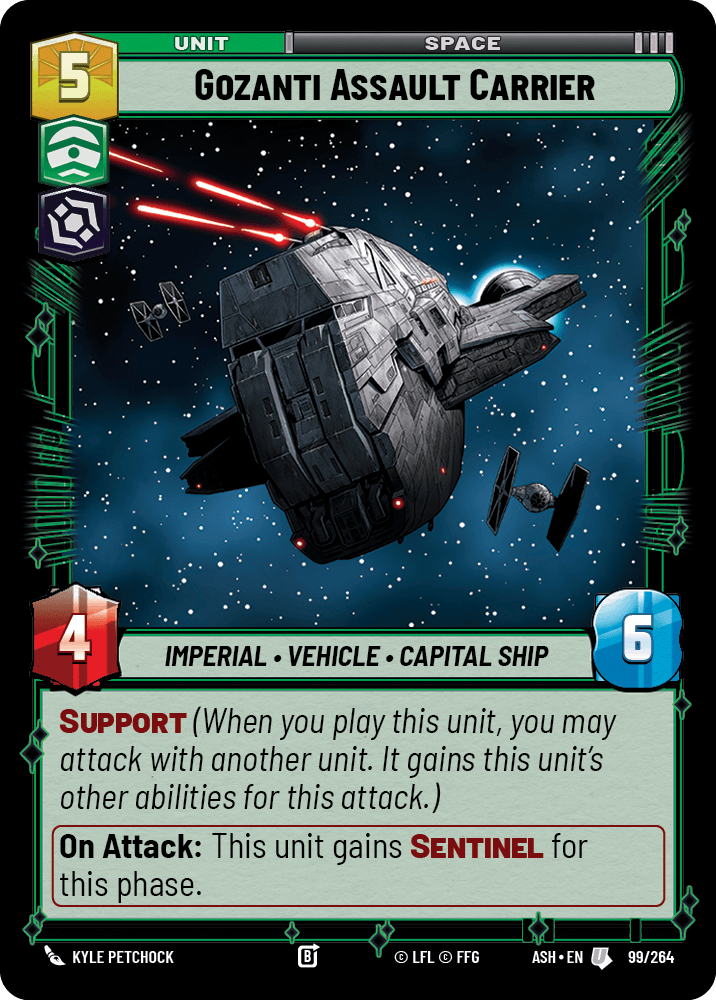
GRVMidrange — Split Arena
Well-statted units in both arenas with good Green interaction. Strong and balanced.
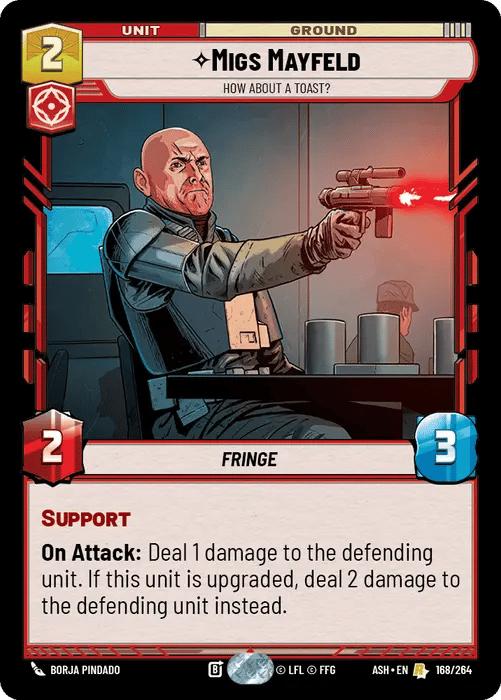
 BYVMidrange — Space
Fragile ground units, strong space presence. Tempo, removal — and real top end.
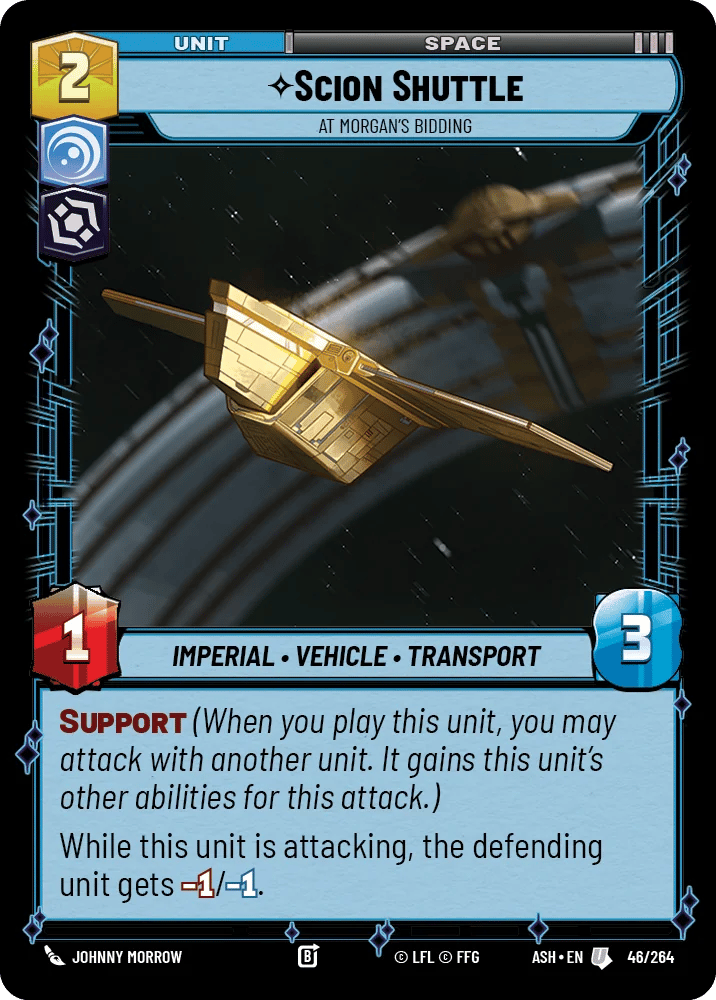
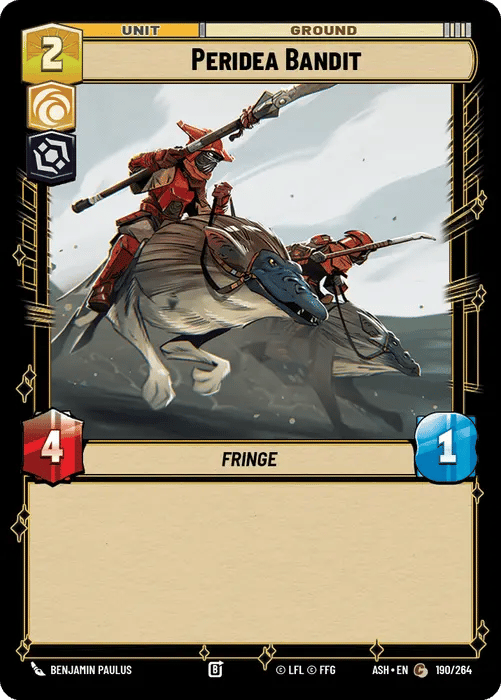
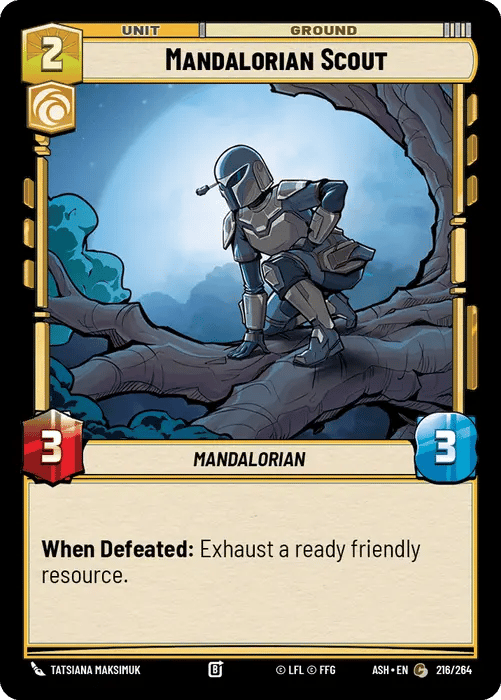
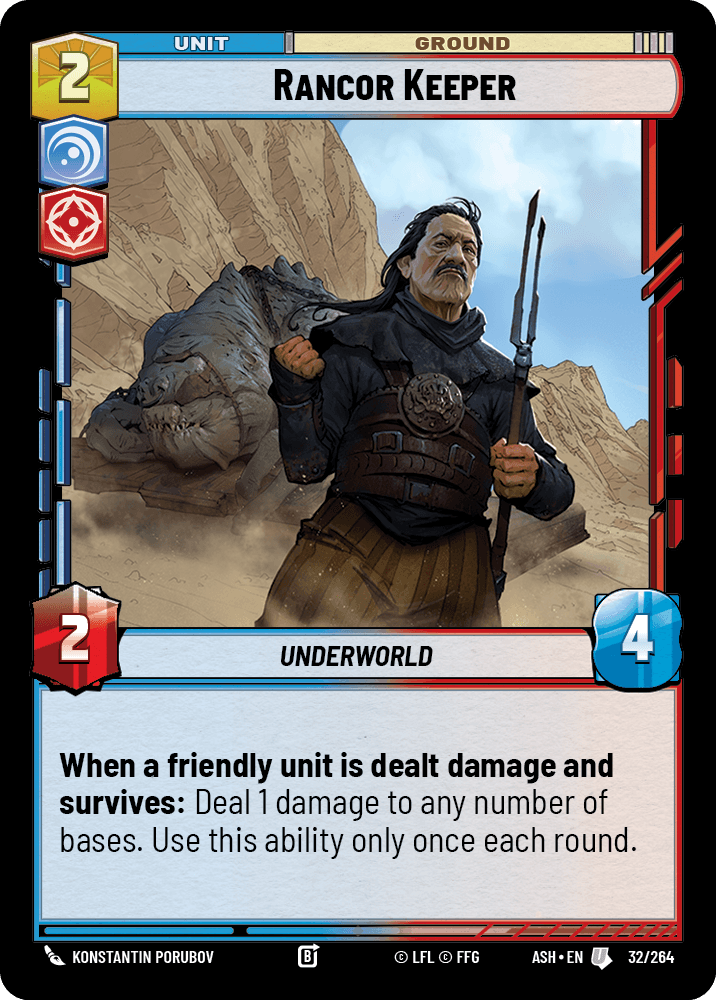
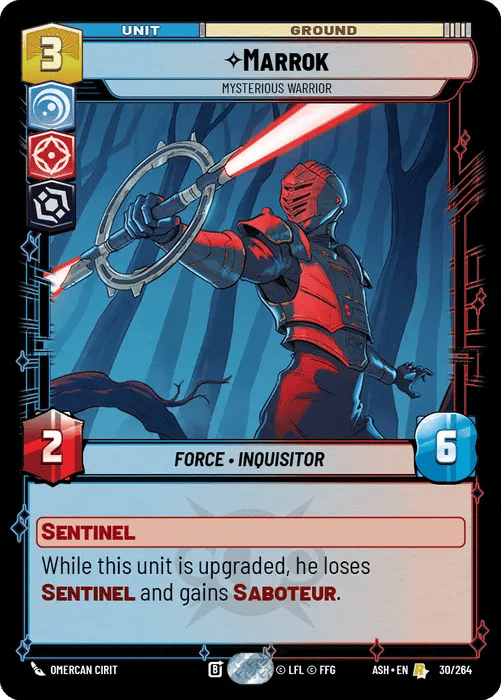
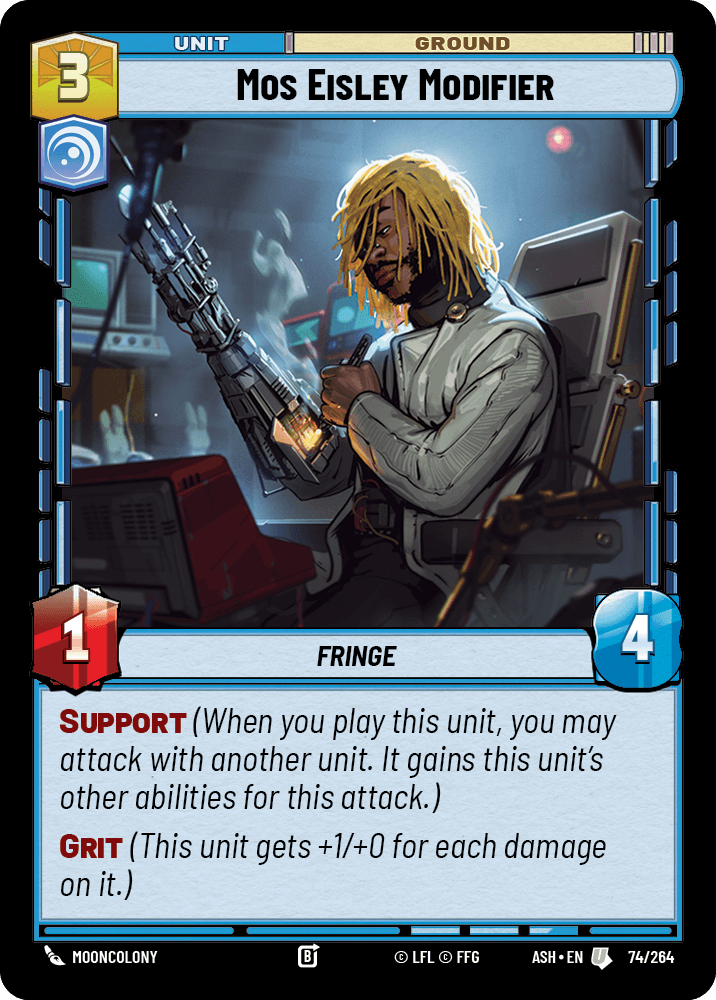
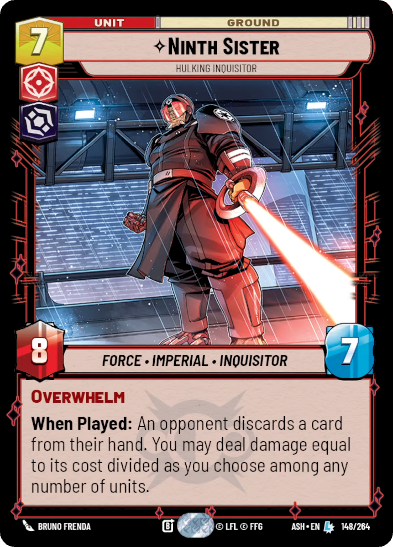
BRVMidrange / Aggro — Ground
Access to upgrades, fights the board, damage-based gameplan.
BGVMidrange / Soft Control — Ground
Sentinel slop: access to removal, sentinels, and bombs.
 RYHAggro — Space
The floor is lava — play space, please. Ground is not great until 5+ resources.
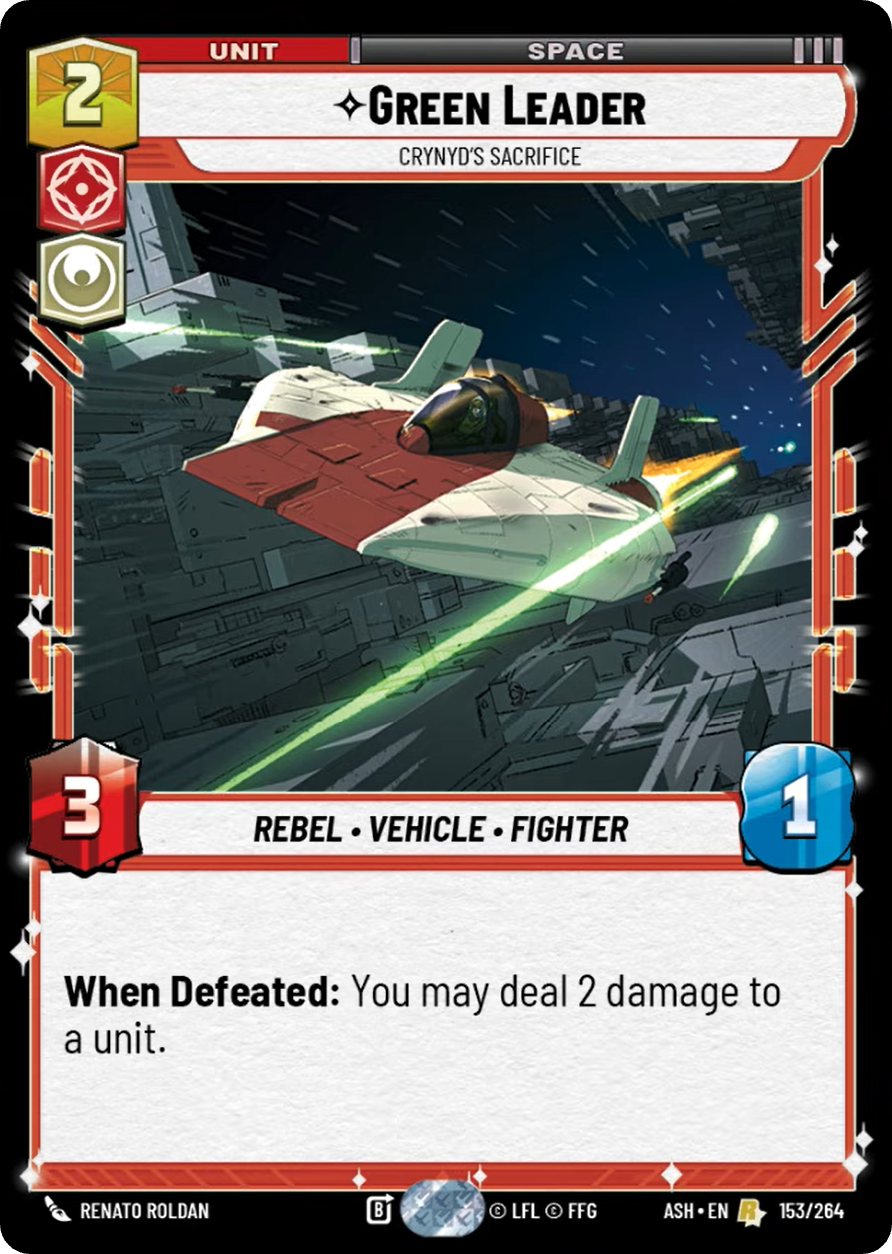
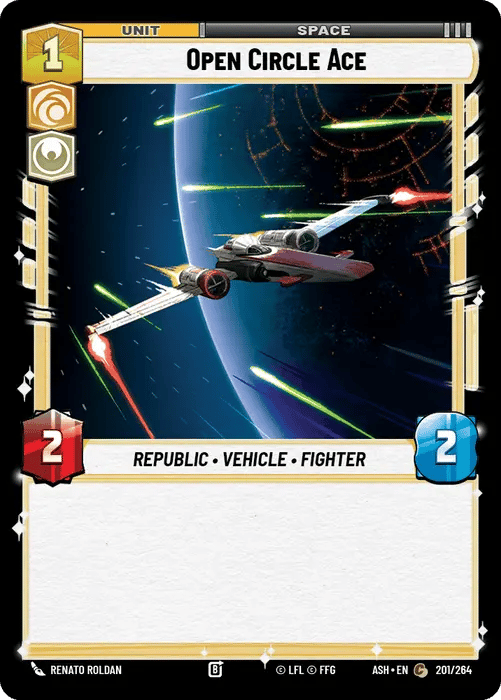
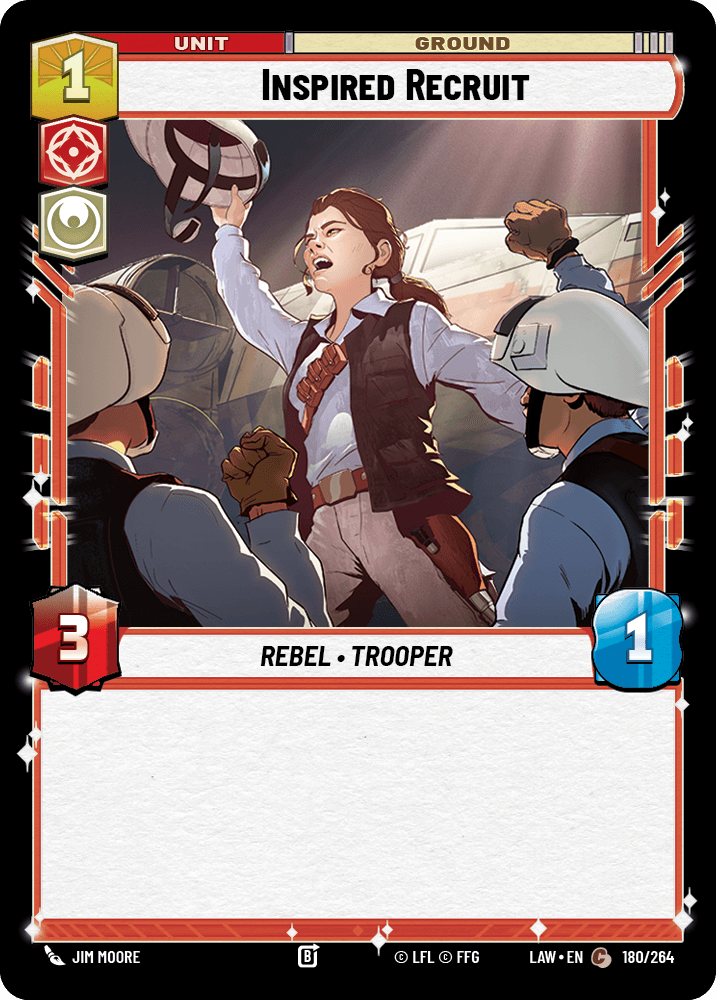
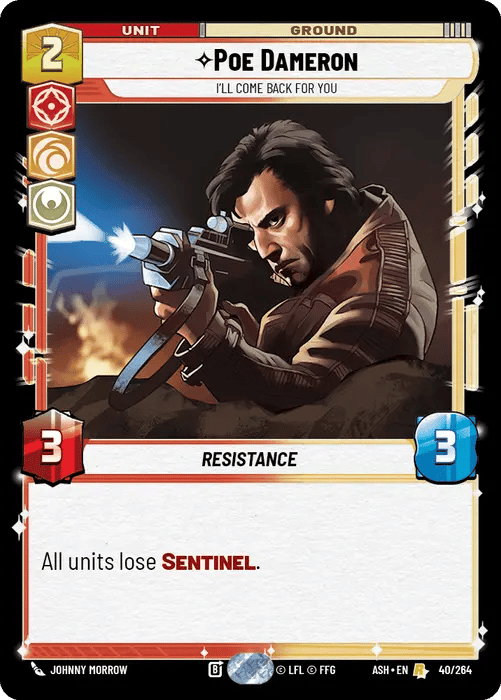
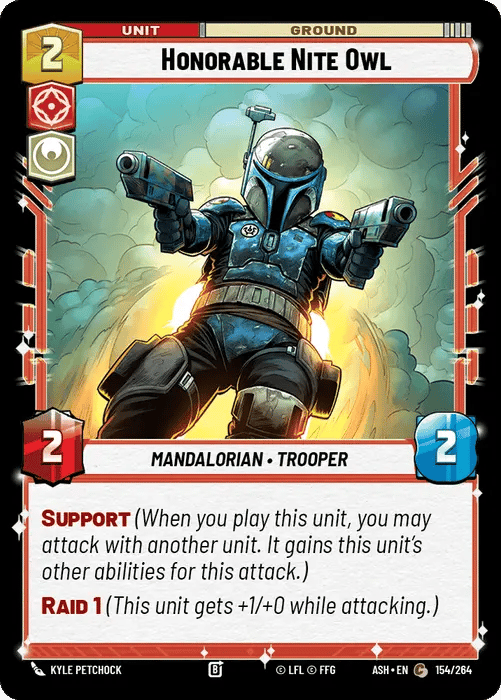
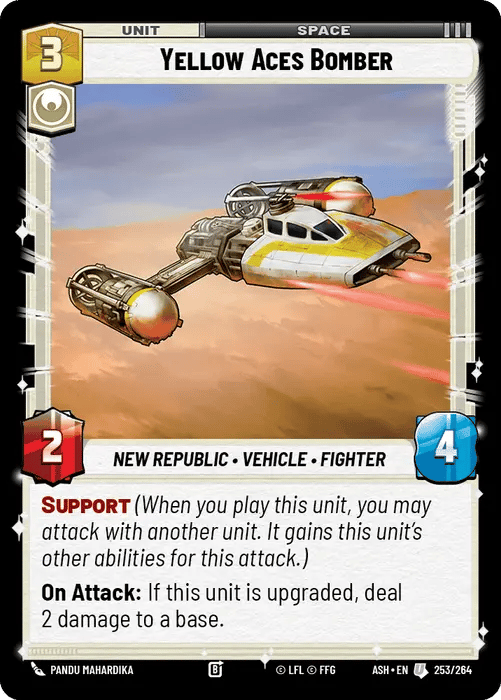
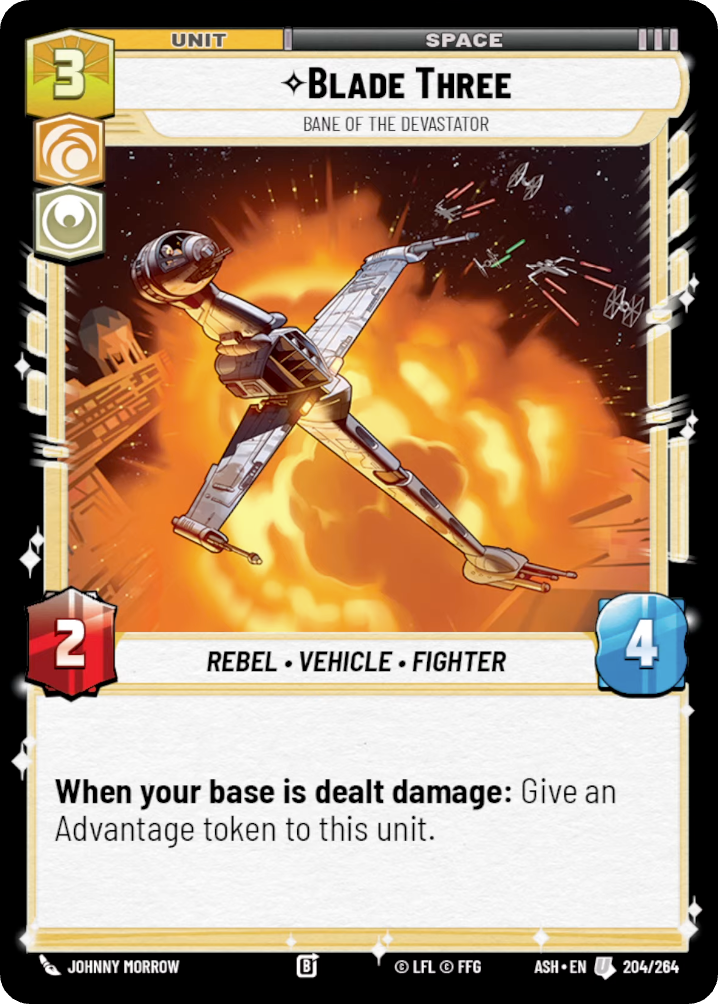
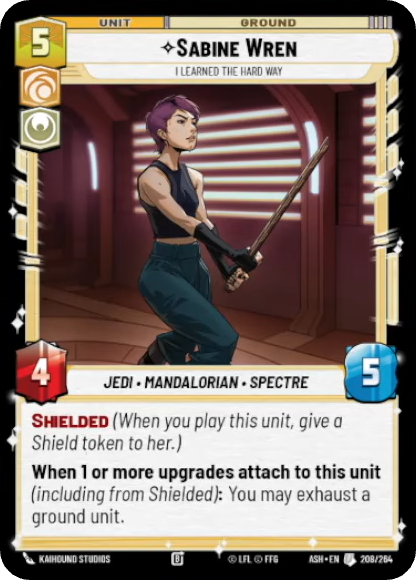
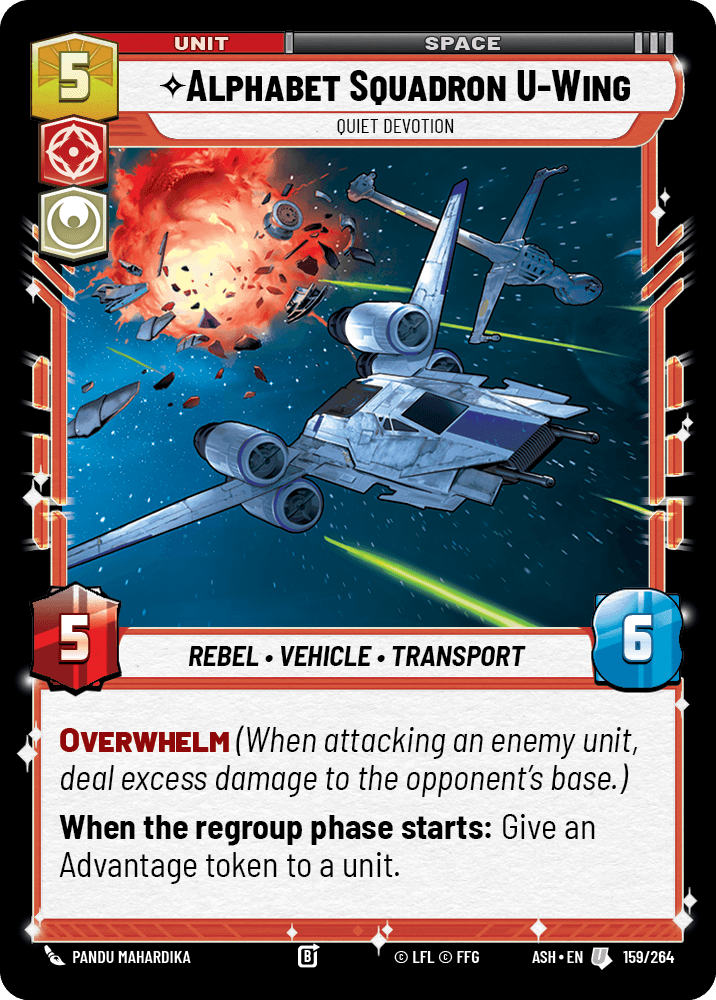
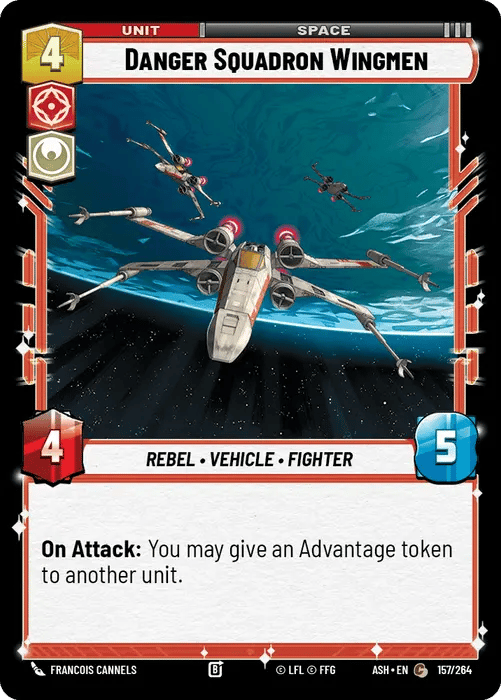
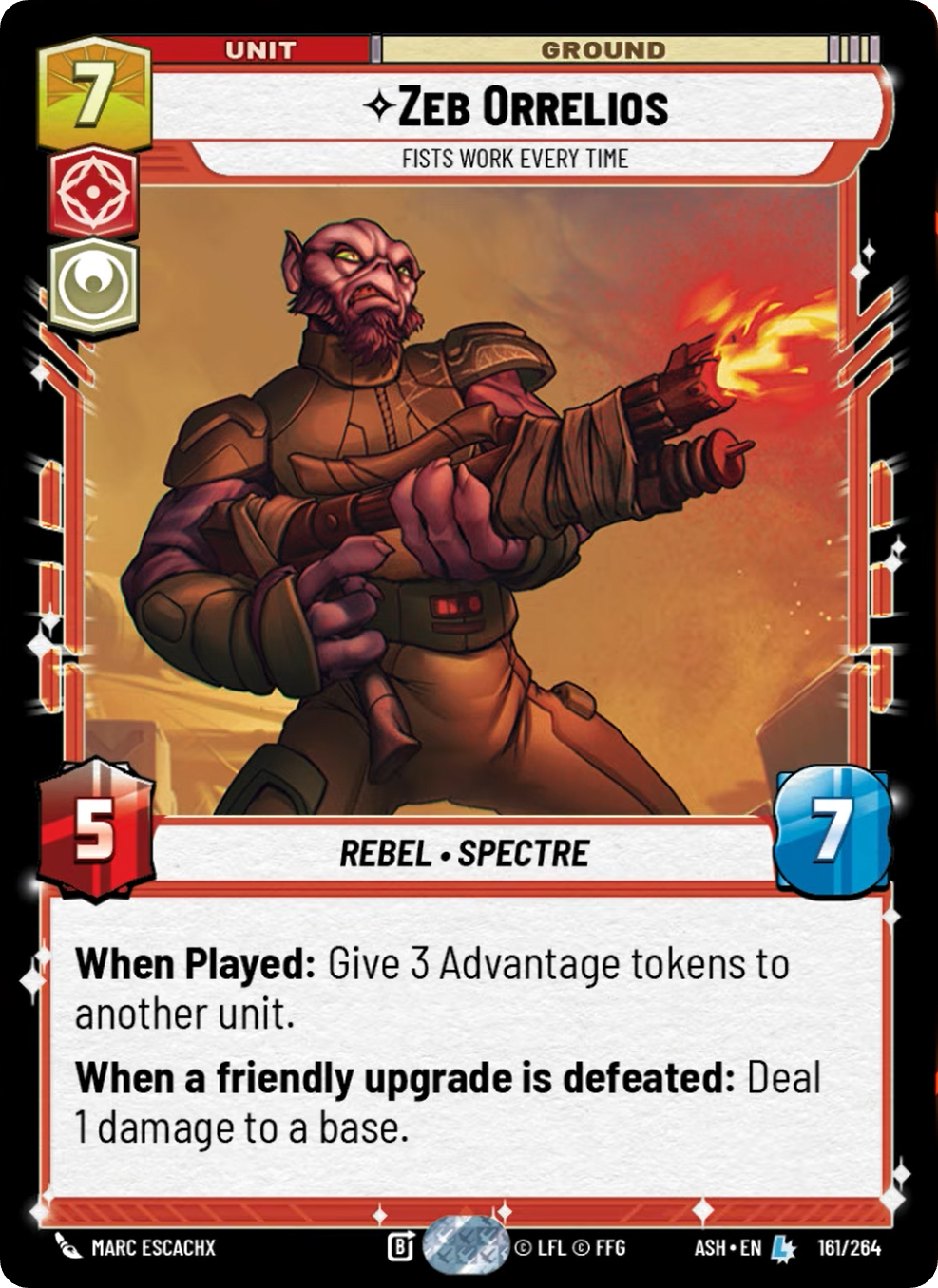
GYHAggro — Tokens / Split Arena
Plays Yellow space well while generating token width on the ground.
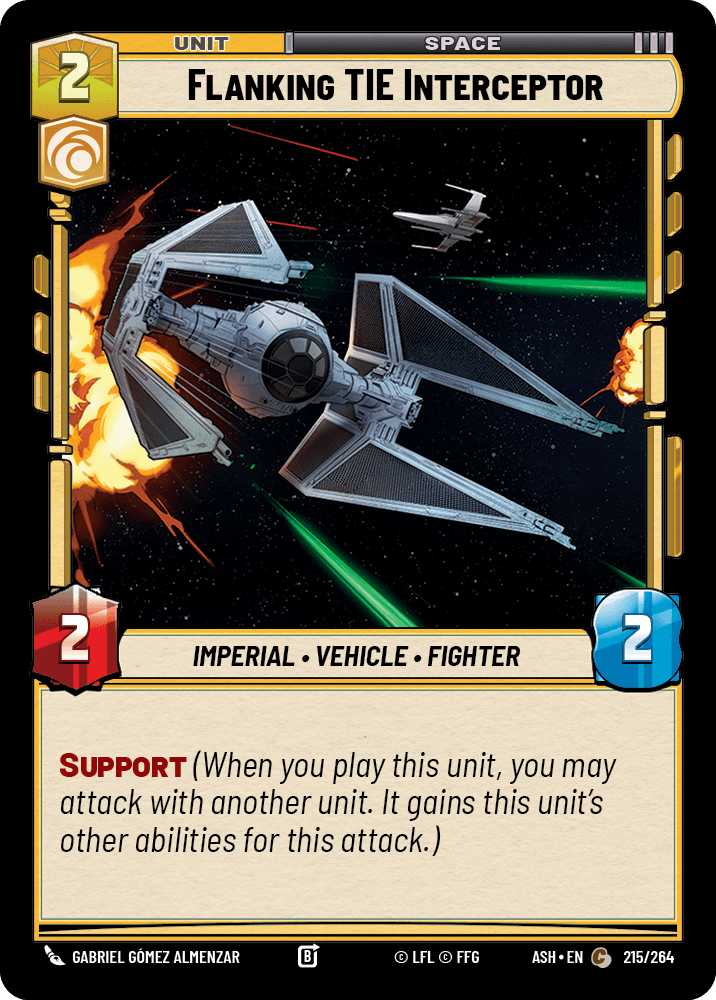
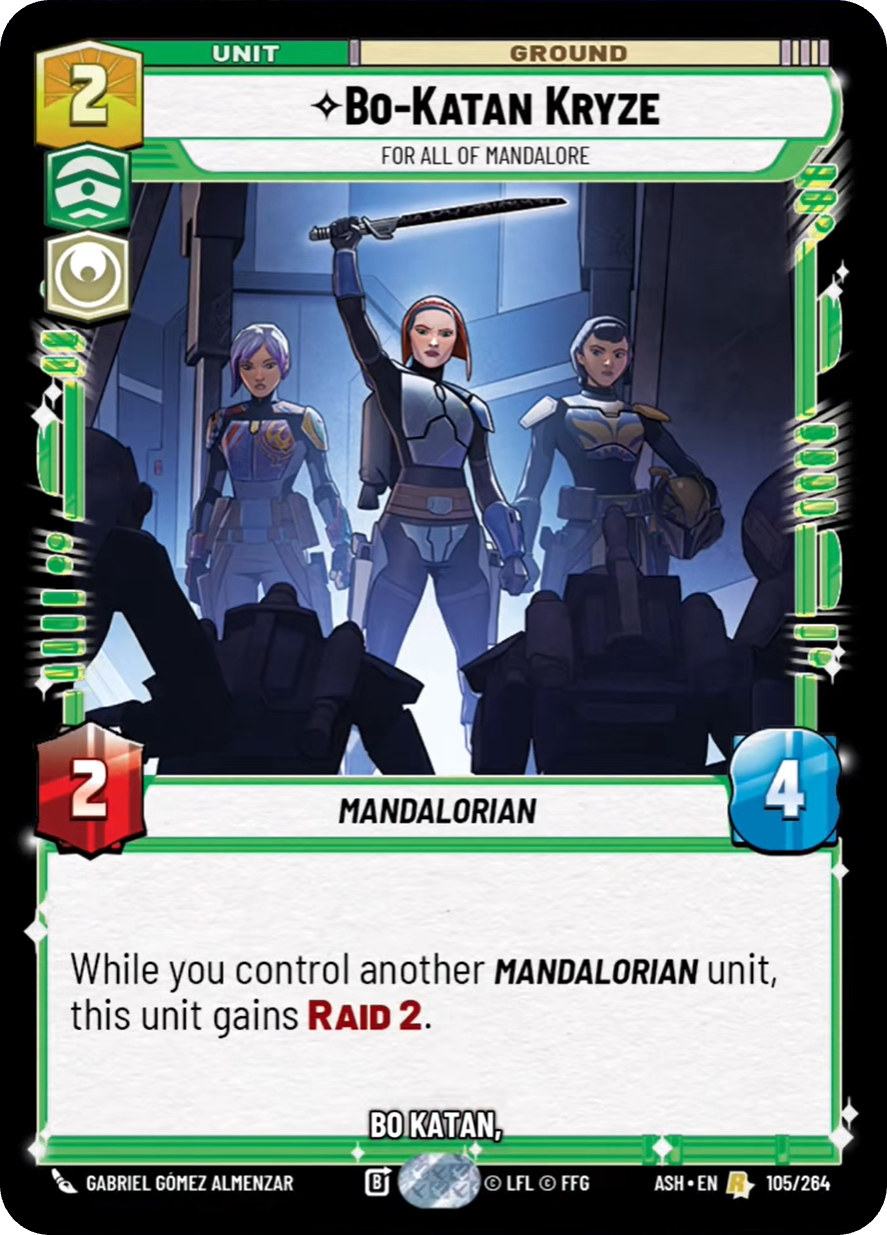
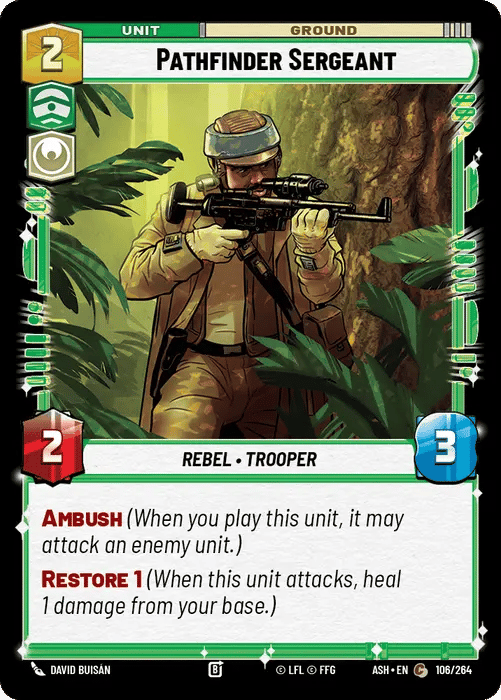
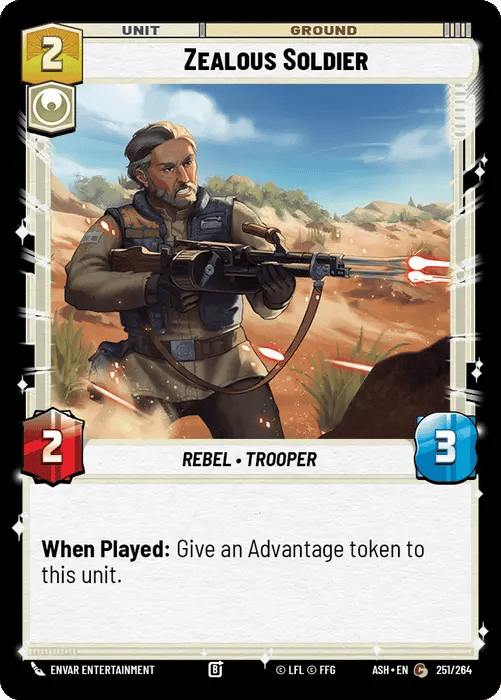
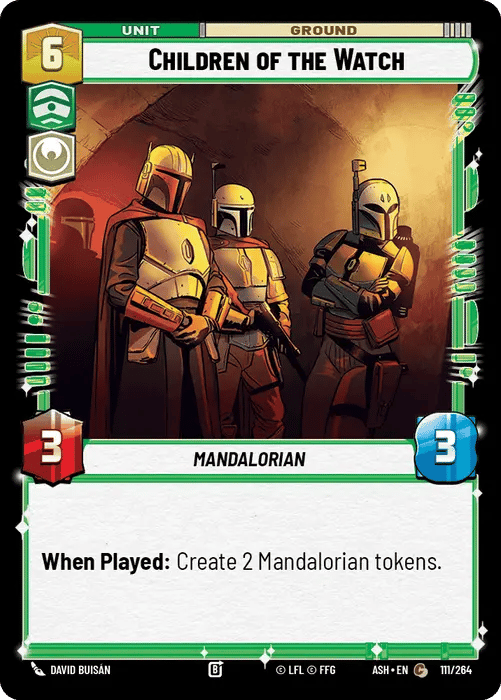
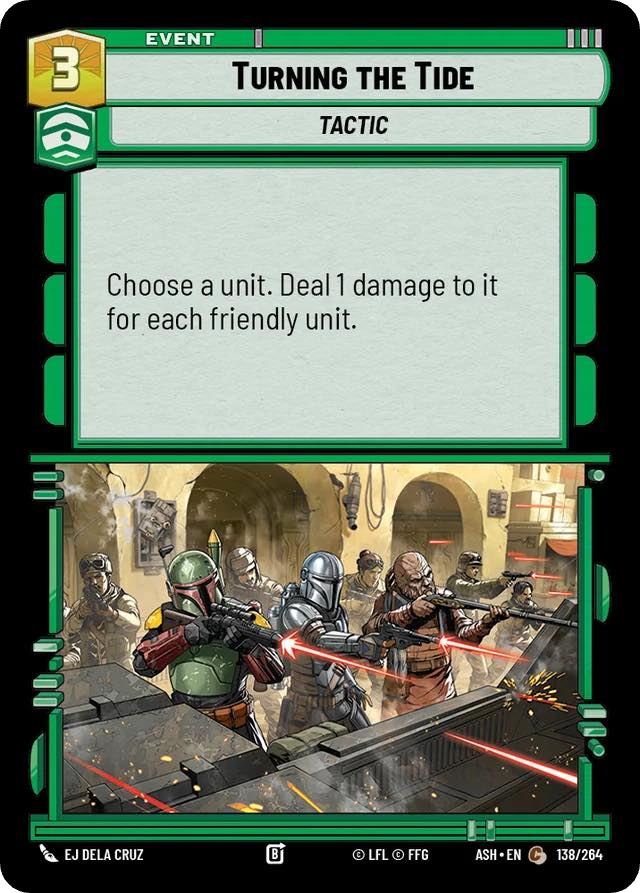
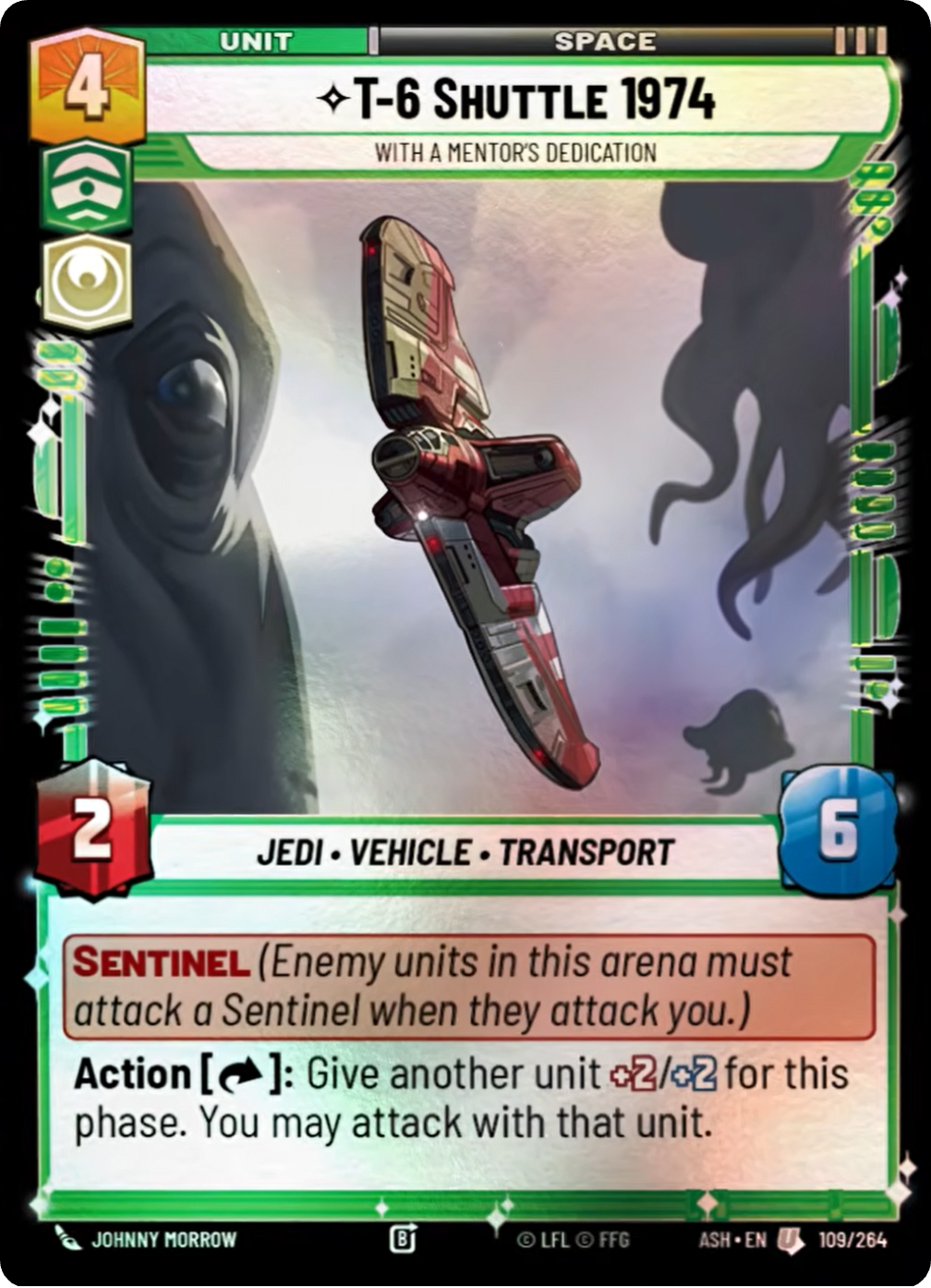
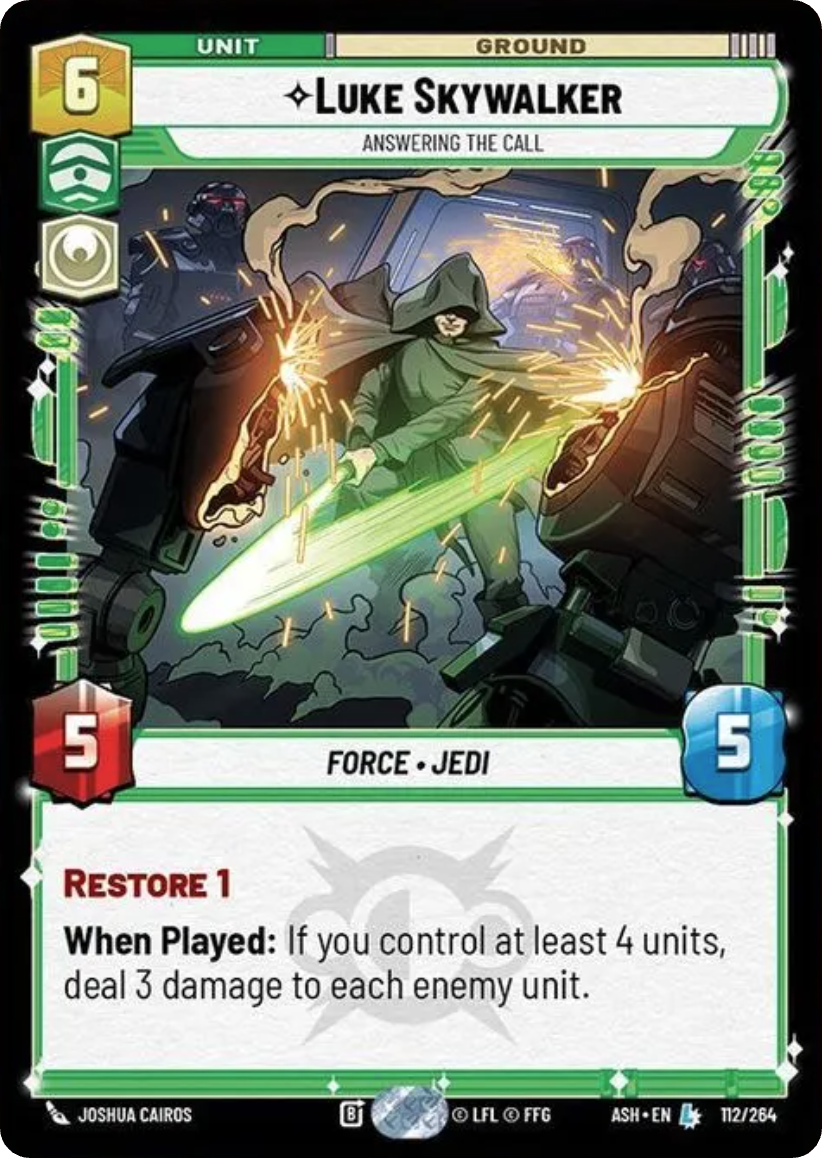
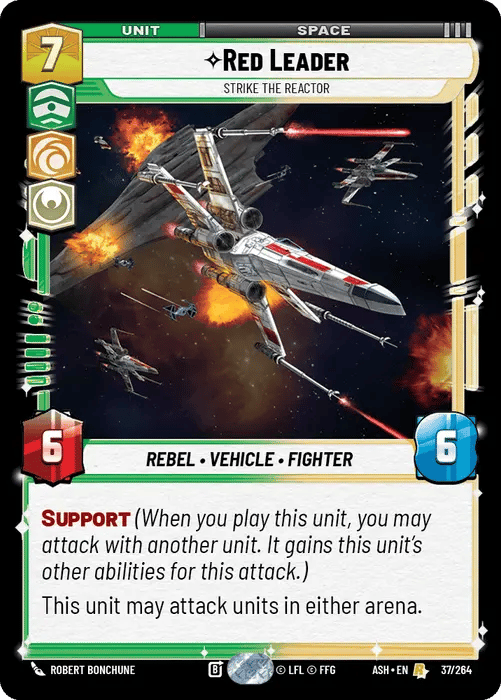
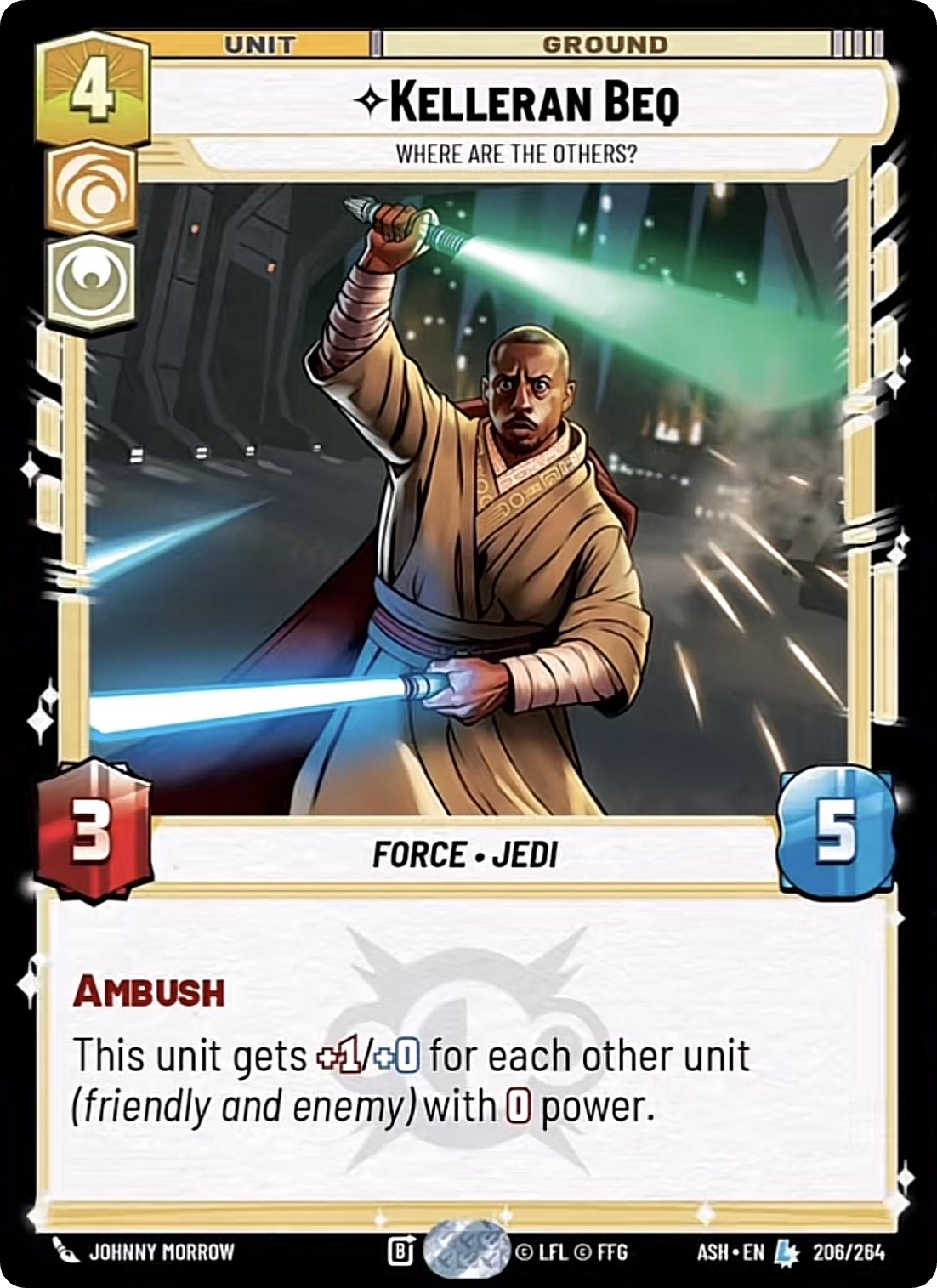
GRHAggro — Split Arena
Well-statted units in both arenas but needs to stay aggressive. Start ground, end space.
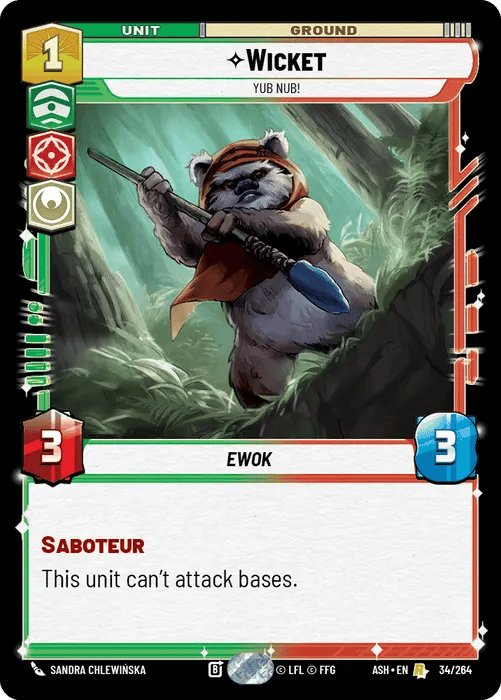
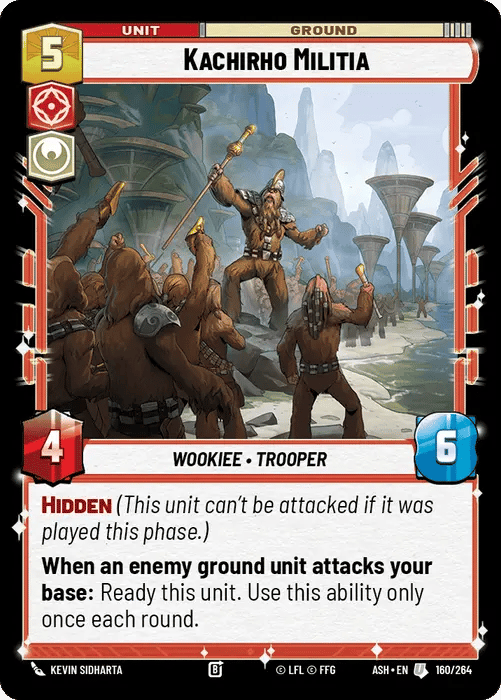
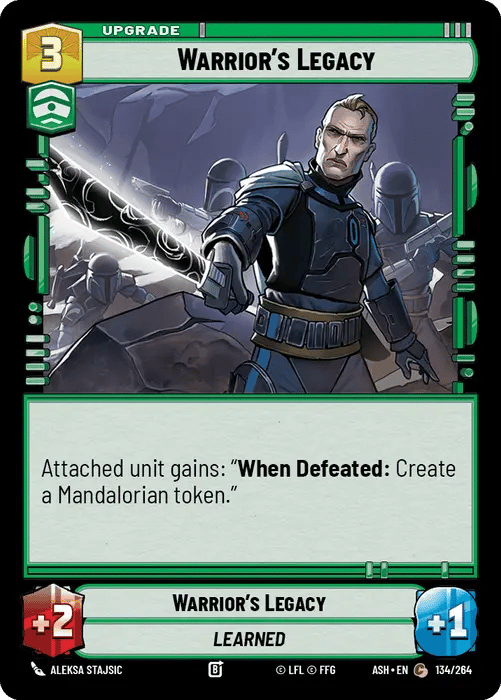
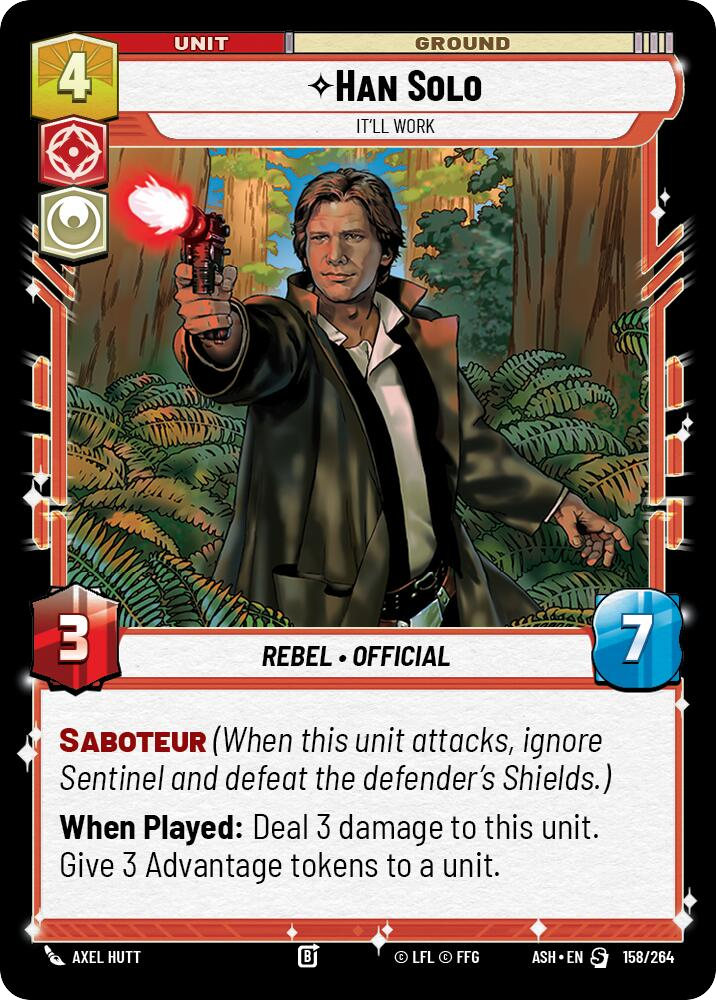
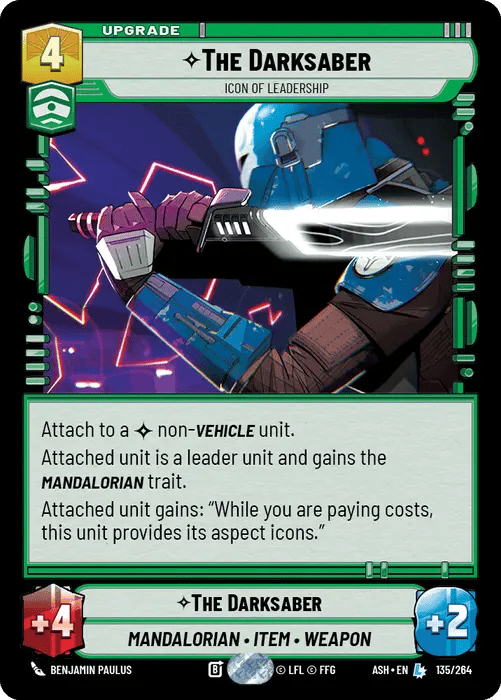
BYHAggro — Space
Blue removal paired with tempo Yellow aggro. The best stats on space units.
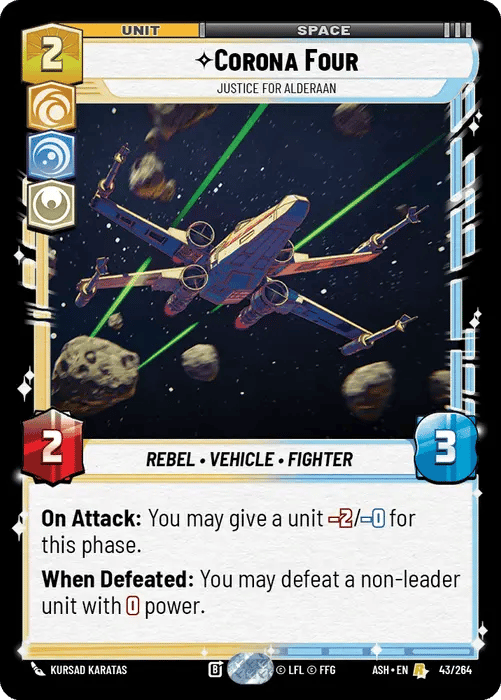
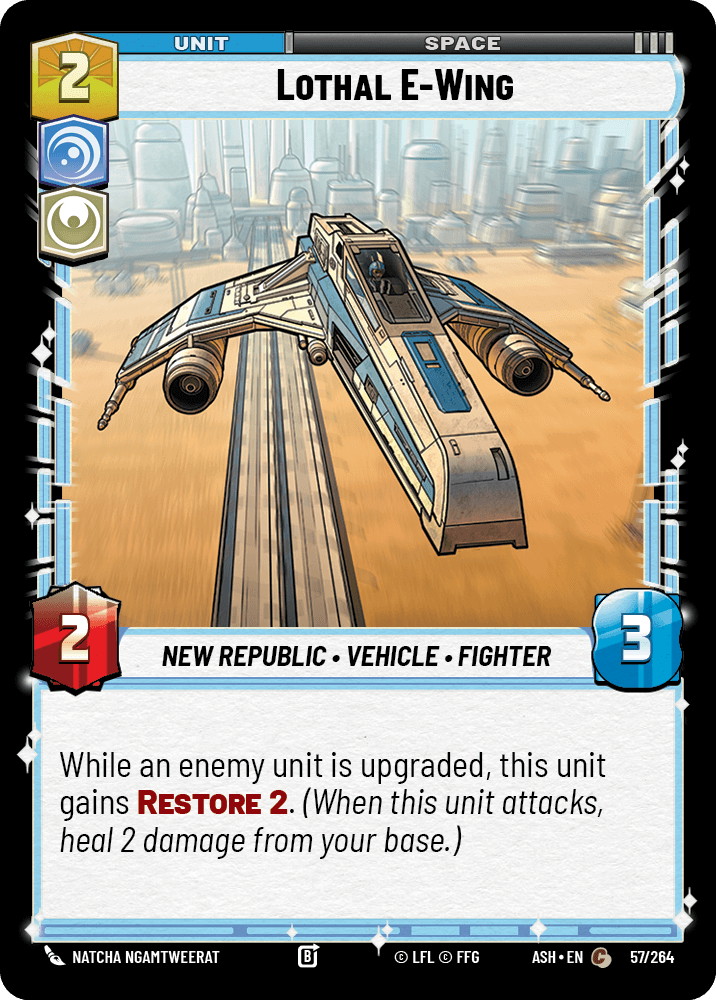
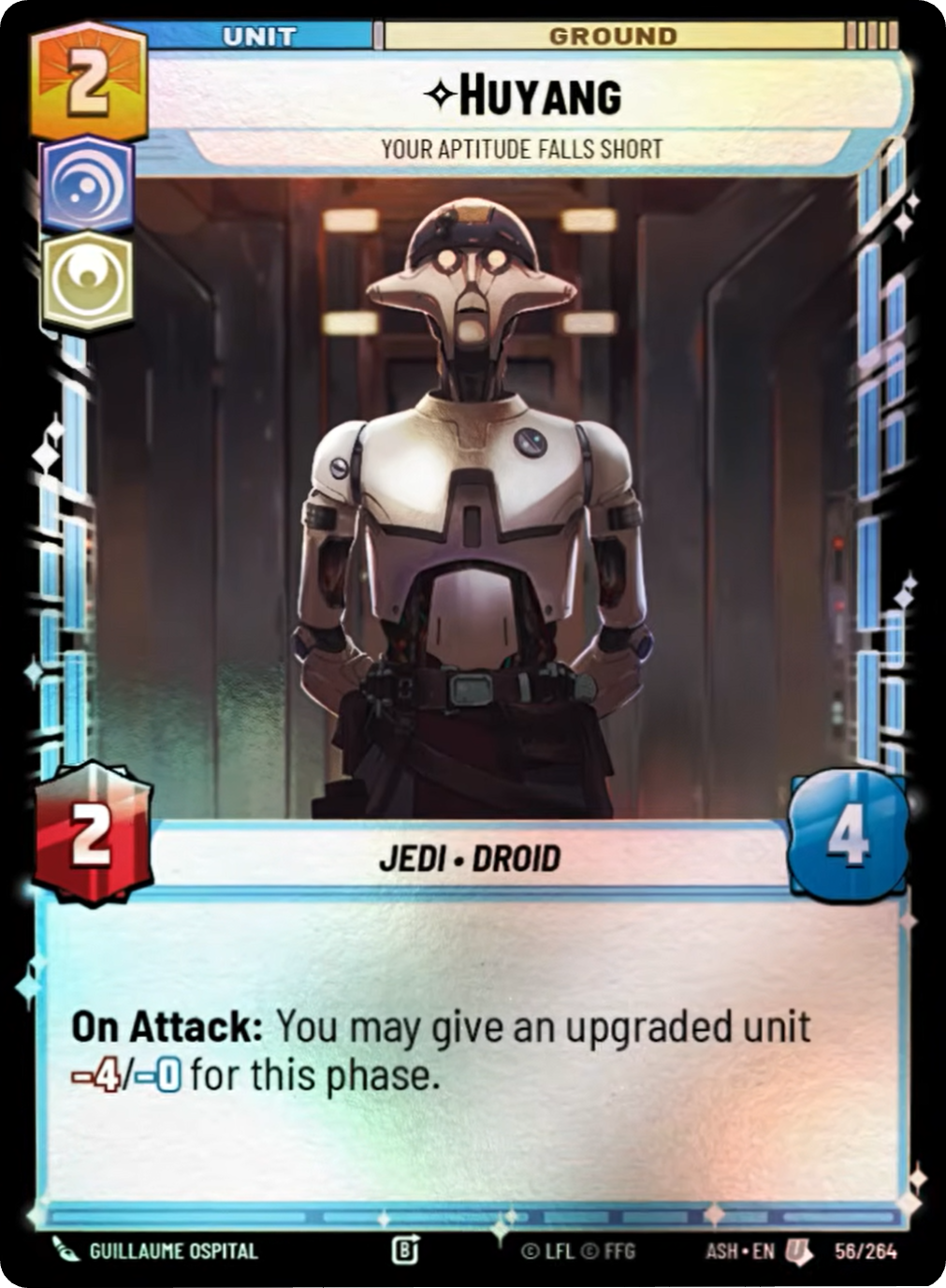
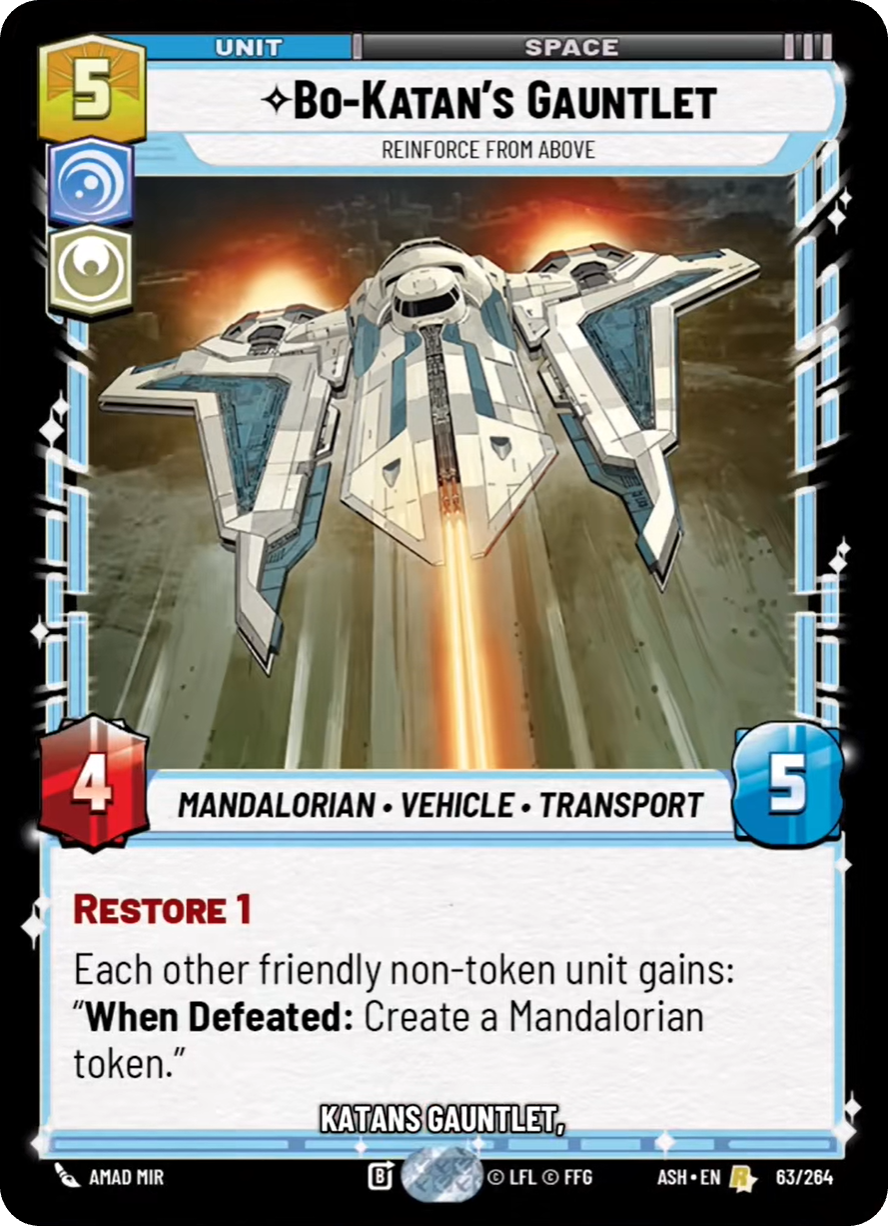
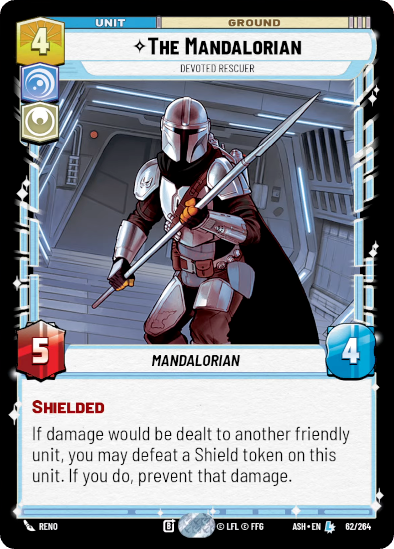
BRHAggro — Space
Strong Red space cards mixed with upgrades and Blue removal.
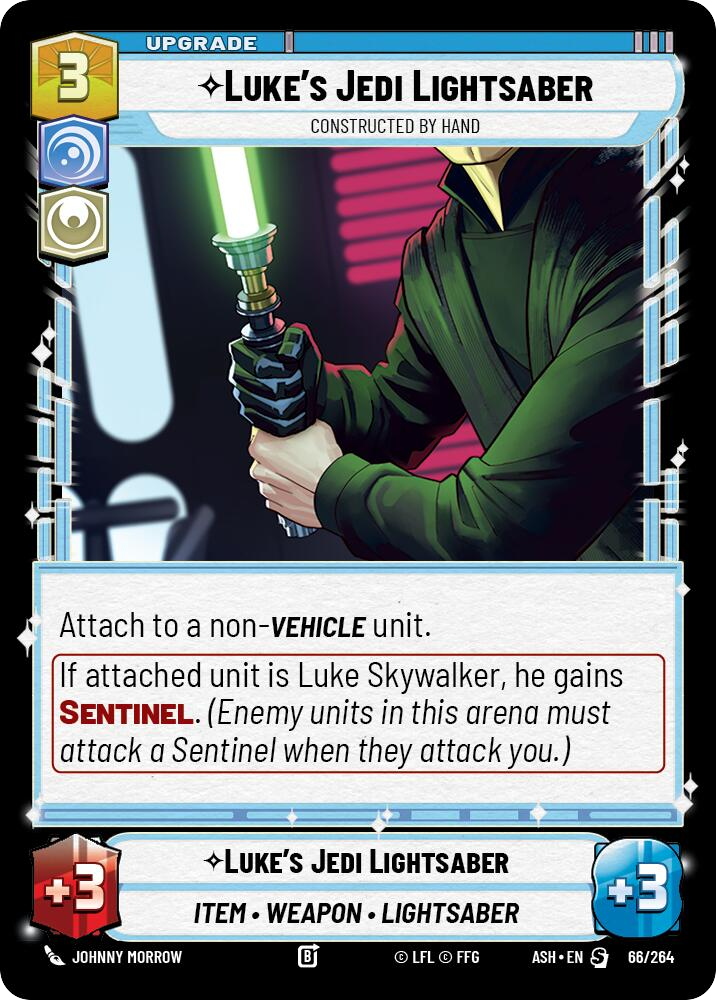
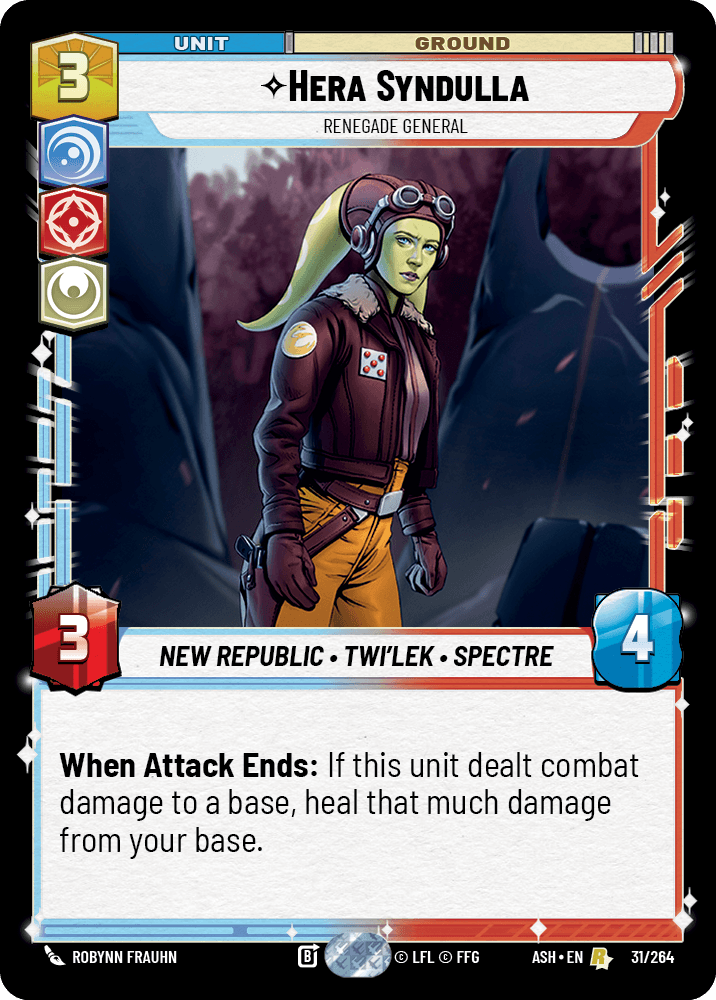
BGHMidrange / Soft Control
Sentinel slop with better width and voltron options. No intense top end — strongest place is midrange.
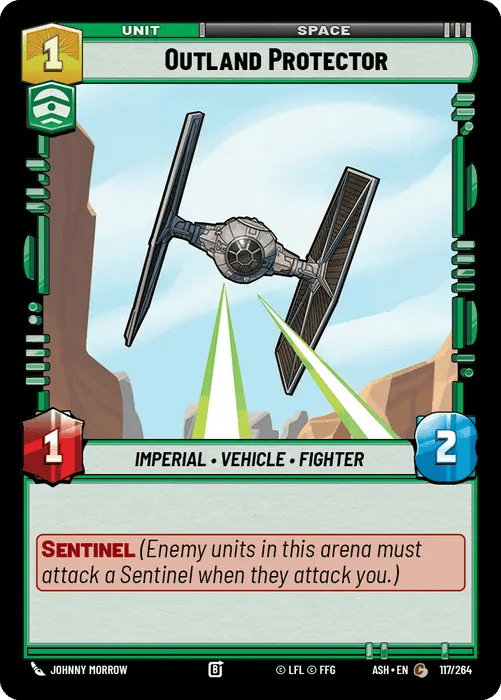
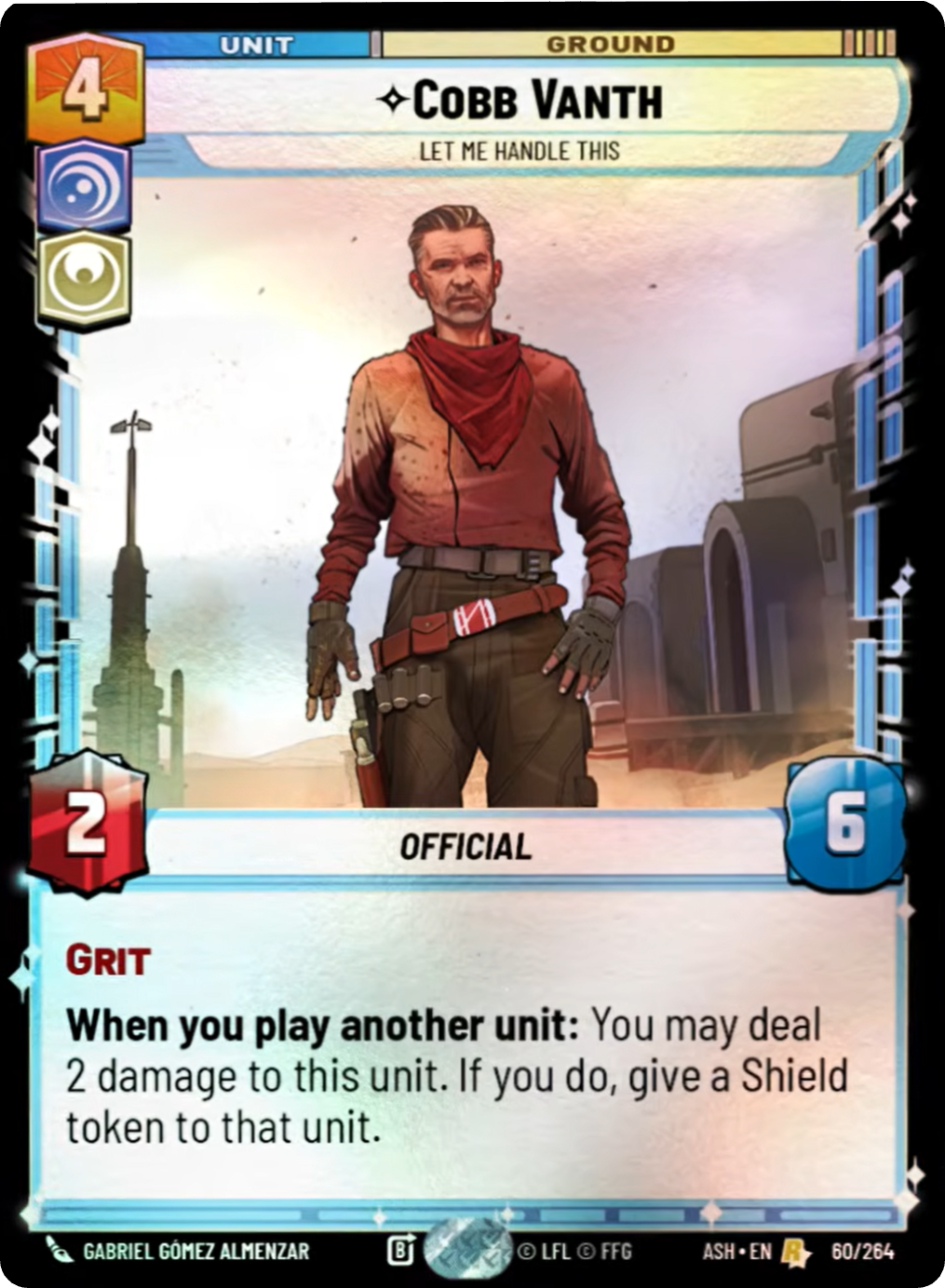
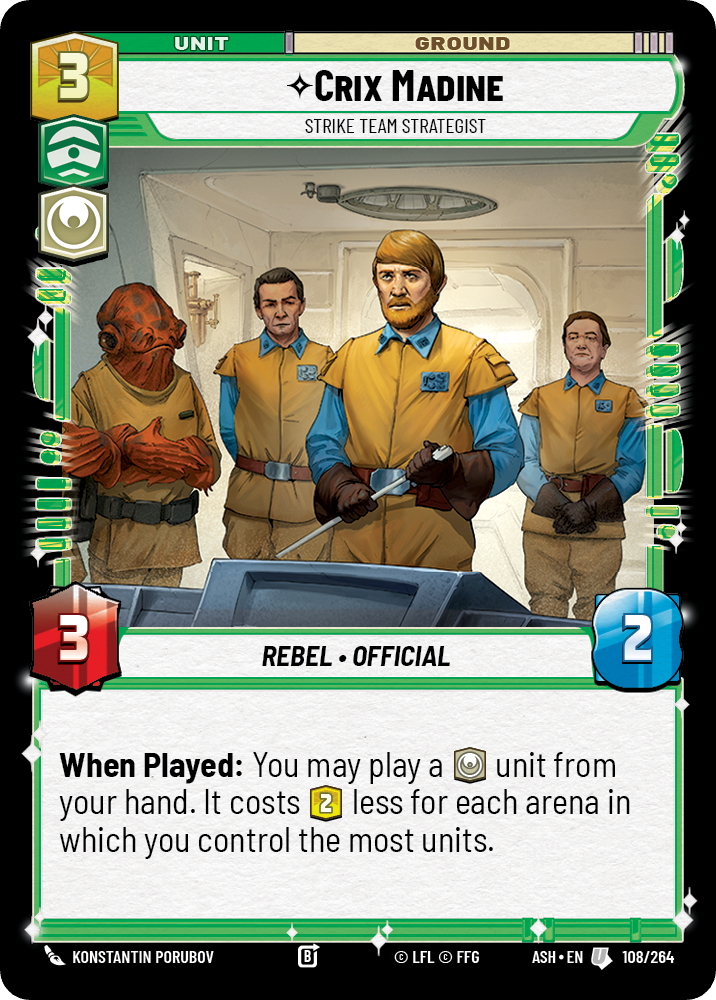
Leader Tier List
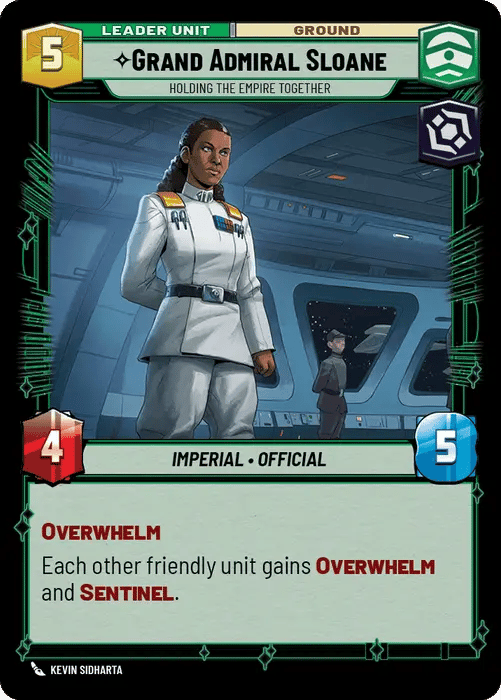
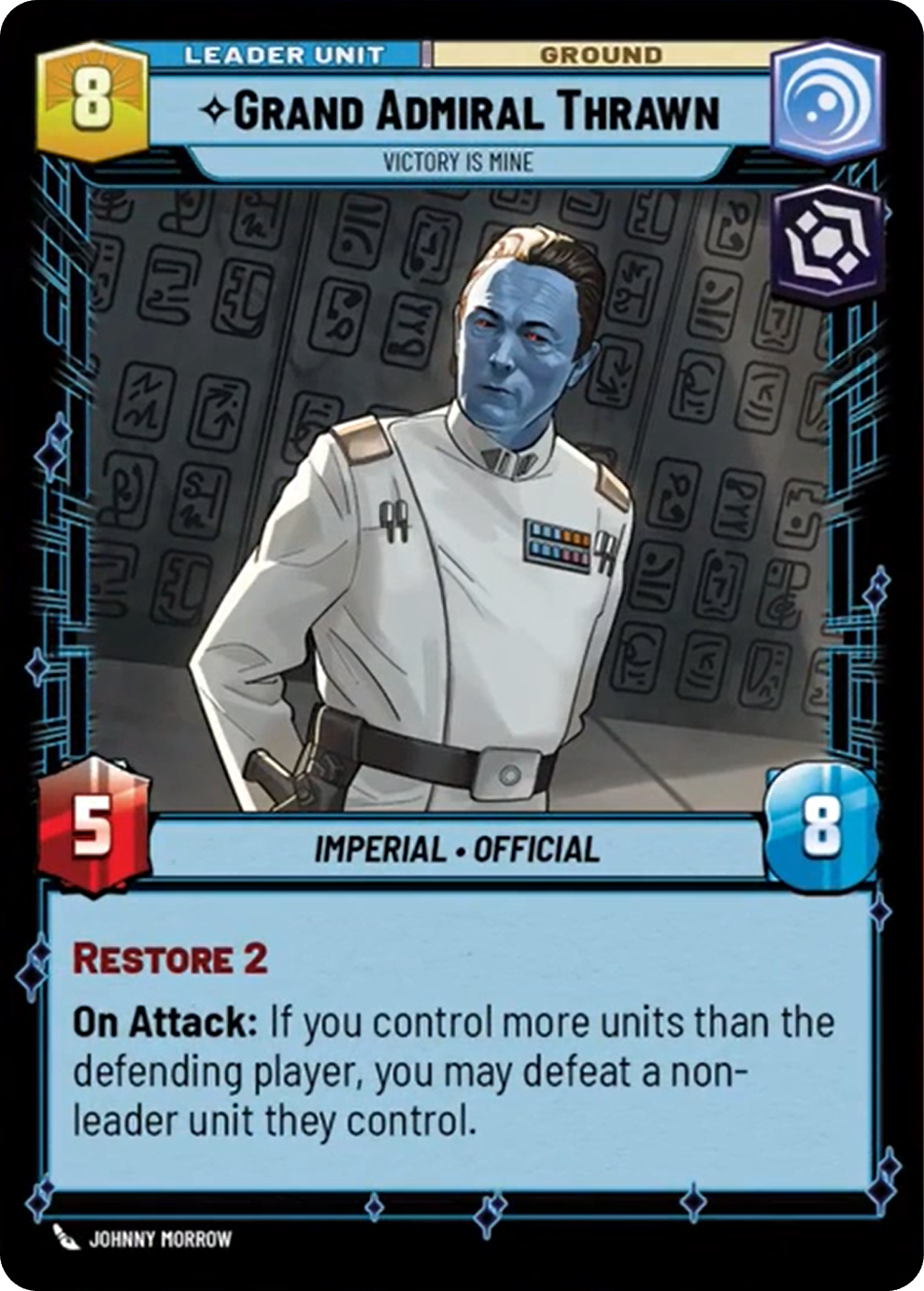
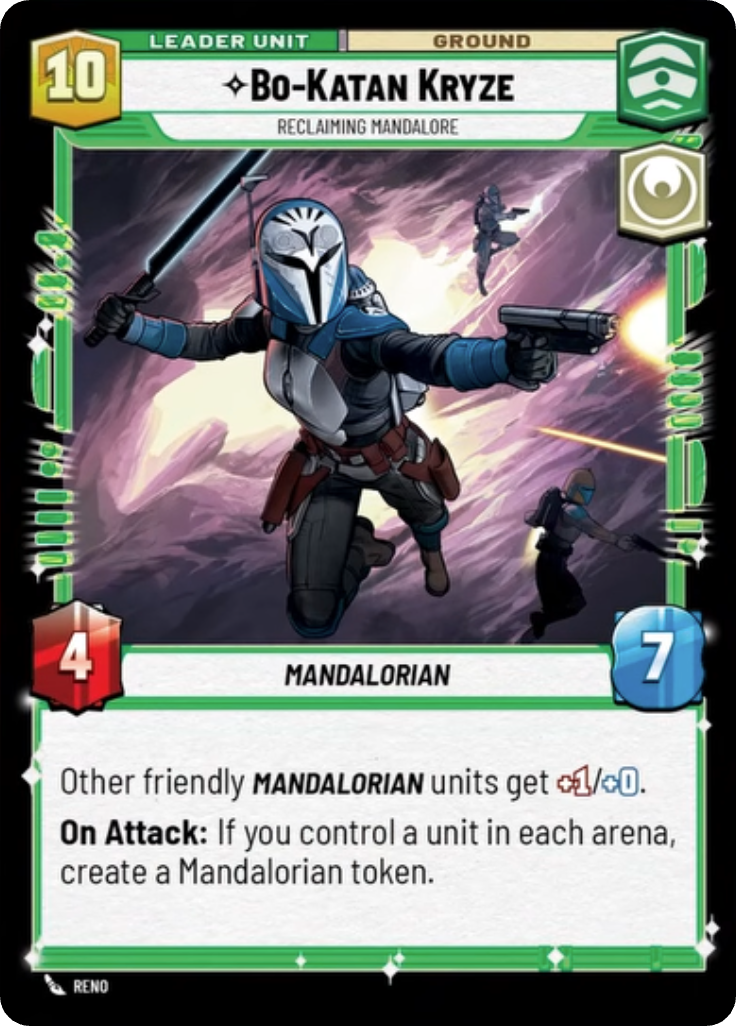
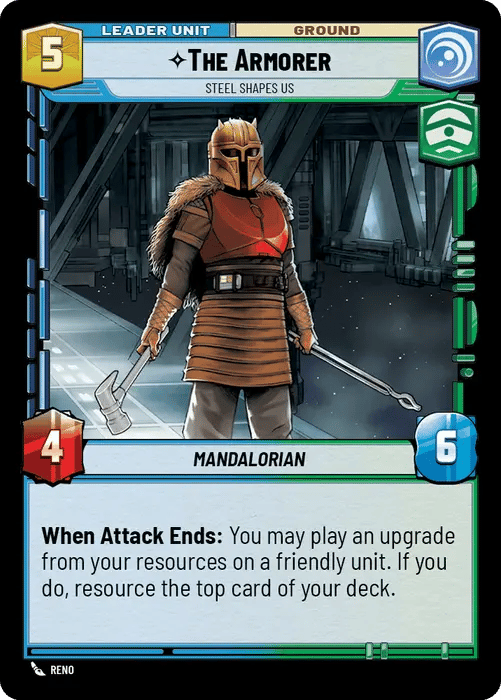
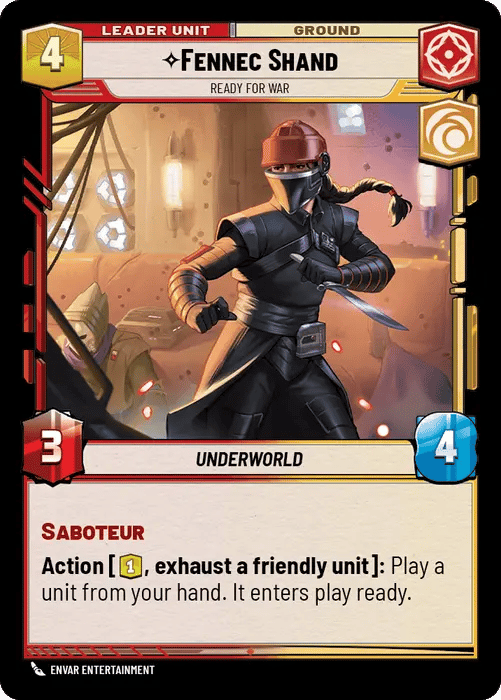
How the leaders of Ashes of the Empire stack up on their own merits.
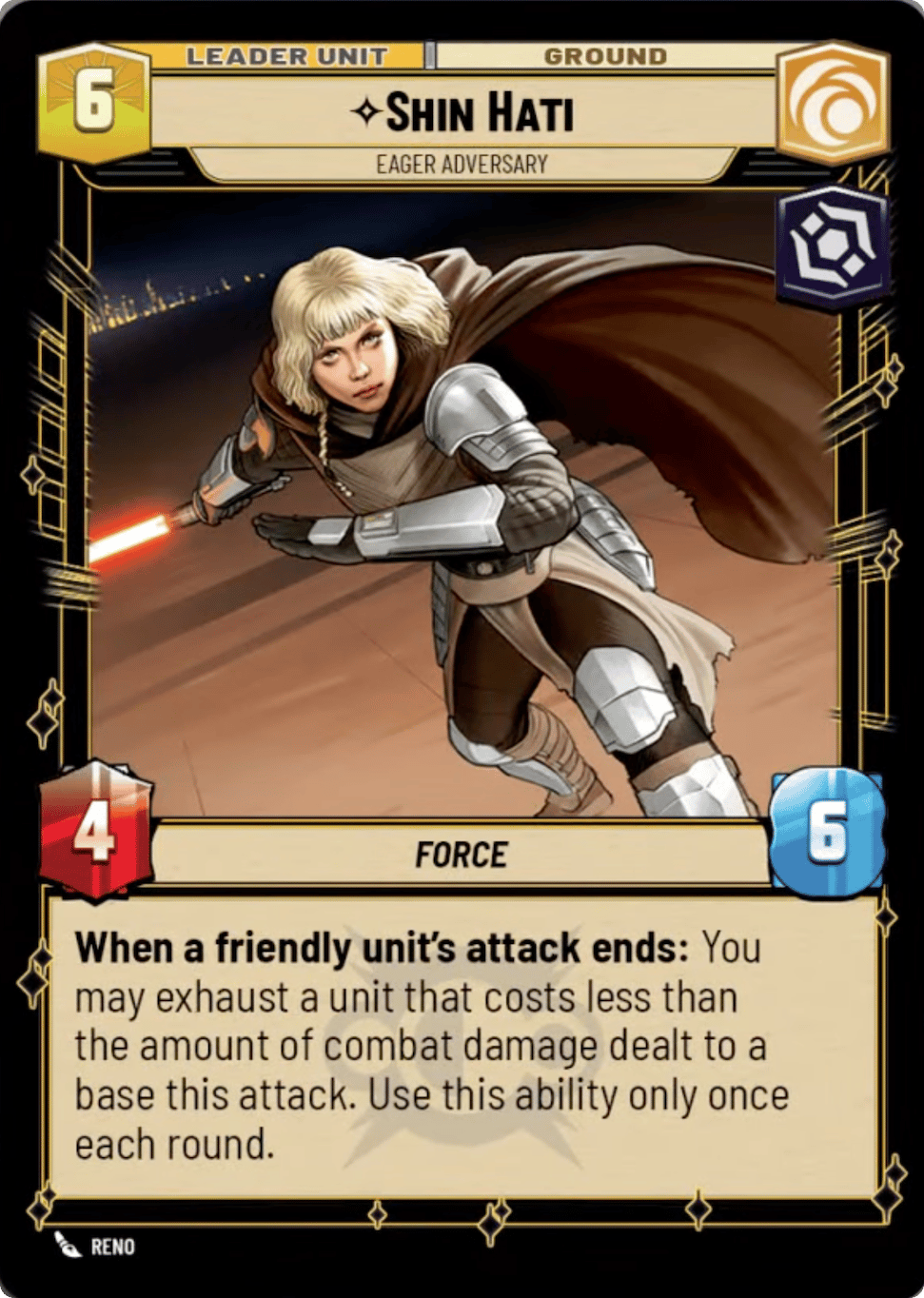
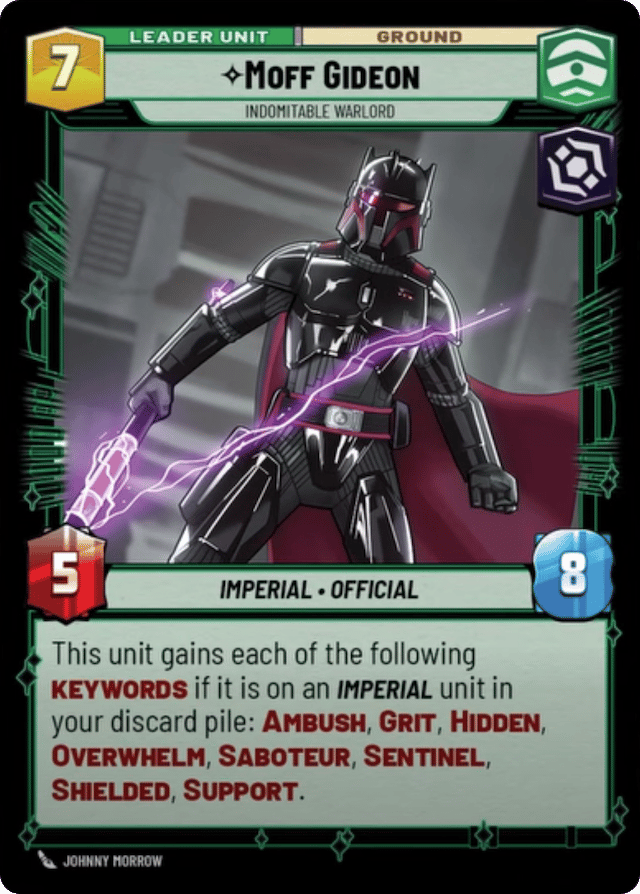
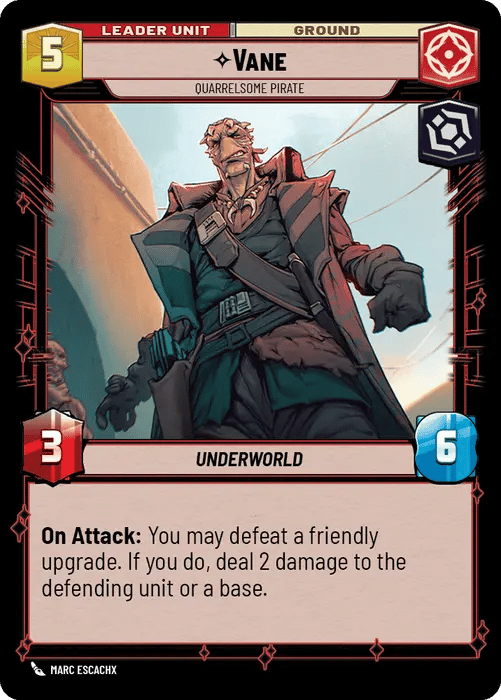
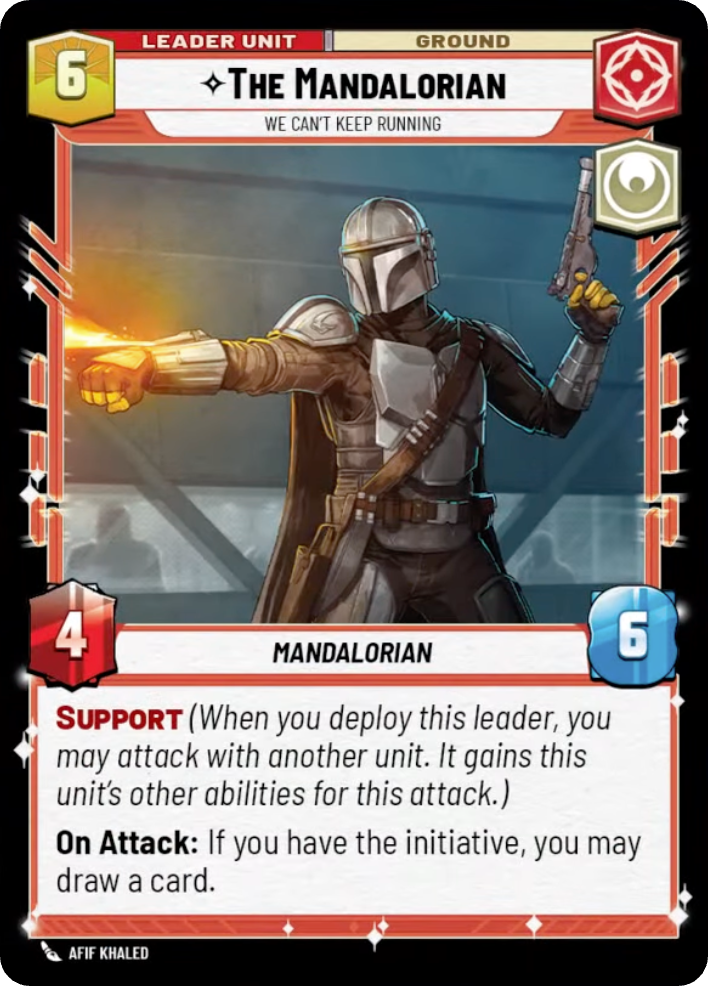
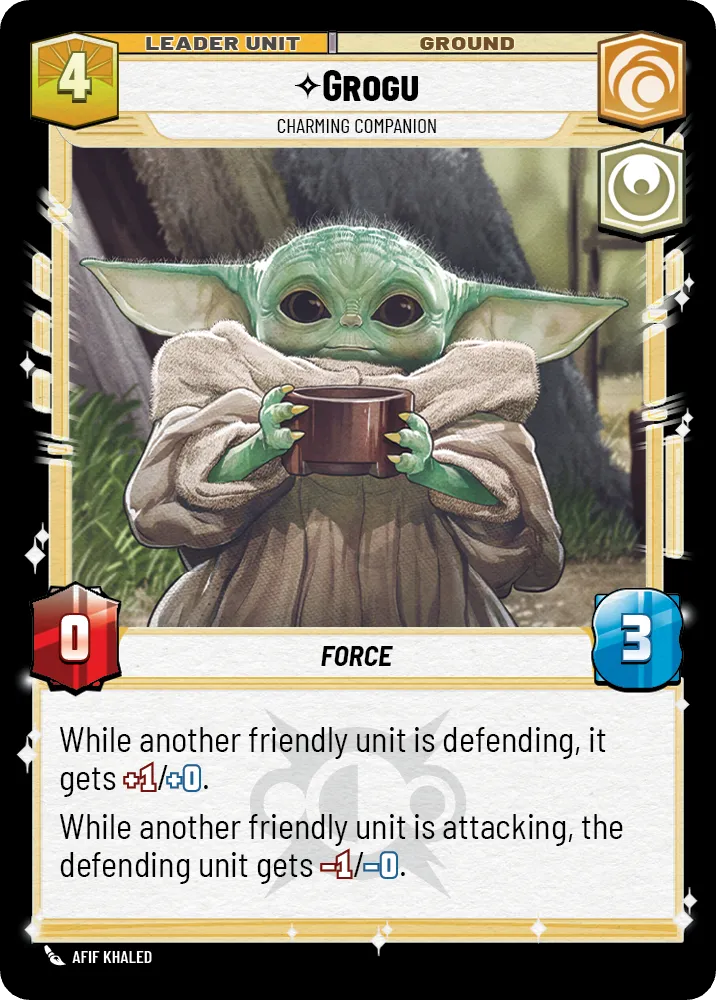
Leader + Aspect Pairing Tier List
The same leaders, ranked by their best (and worst) aspect pairings. The aspect badge on each card shows the pairing being ranked.
Leader Clusters
A short list of cards that dramatically overperform with each specific leader. If you land one of these leaders, prioritize these picks.